
Roof waterproofing in Qatar rarely fails because nothing was installed. It fails because what went down was never specified for the heat, UV and sudden rain it has to survive. And when it goes, the damage shows up below the roofline, in ceilings and finishes that cost far more to fix than the roof did.
In this article
The climate conditions doing the damage
Qatar’s summers routinely push past 40C, with peaks reaching the high 40s on exposed surfaces like roof decks. That heat does not stay constant. Daily and seasonal thermal cycling makes materials expand and contract, putting repeated stress on joints, seams and the interfaces between roofing layers. Rigid or poorly bonded coatings cannot keep flexing with that movement forever.
Then there is the rain. It is infrequent here, but it tends to arrive suddenly during the seasonal transitions, in short, intense bursts that older or already-stressed membranes cannot shed quickly. A roof that has been quietly weakening under heat all summer is exactly the roof that fails the first time real rain tests it.
Where specification goes wrong
The most common mistake is not skipping waterproofing. It is choosing a system on upfront cost instead of climate performance. Standard bitumen membranes, PVC and EPDM all have a place, but each tolerates UV and thermal movement differently, and not every product sold in this market is rated for sustained high-40s surface temperatures.
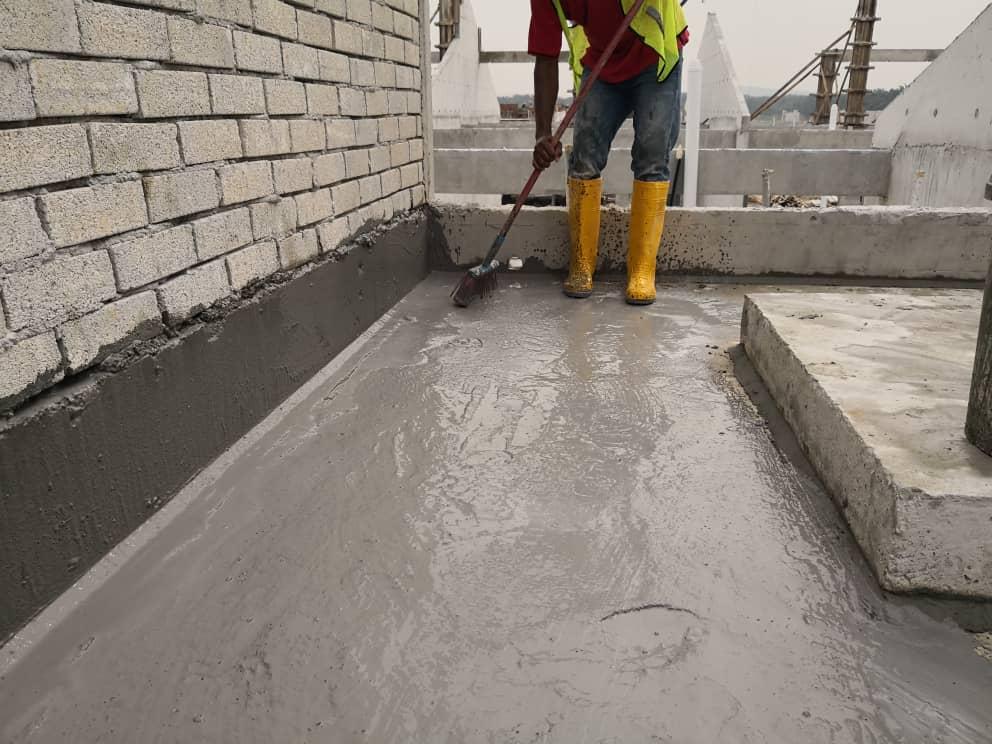
Cementitious waterproofing systems have become a popular choice for flat roofs and exposed decks here, mainly for their thermal stability and UV resistance. They handle the temperature swings better than most alternatives, especially when paired with proper insulation underneath that takes some of the heat stress off the waterproofing layer in the first place.
A premium membrane installed under the wrong conditions can underperform a mid-range one installed correctly. It happens more often than most specifiers assume.
Humidity’s quieter role
Heat gets the attention, but humidity often decides whether an application actually performs as designed. Curing times, adhesion and long-term bonding are all affected by the humidity at the time of installation. That is why timing and surface preparation matter as much as the product. Get the conditions wrong and even a well-chosen system starts on the back foot.
The cost of waiting for a visible leak
By the time water is visibly entering a building, the waterproofing has usually failed across a much larger area than the stain suggests. Water travels sideways before it finds a way down through a ceiling. So the repair scope, by the time anyone notices, is bigger and pricier than catching the same membrane early at the hairline-crack, ponding or blistering stage.
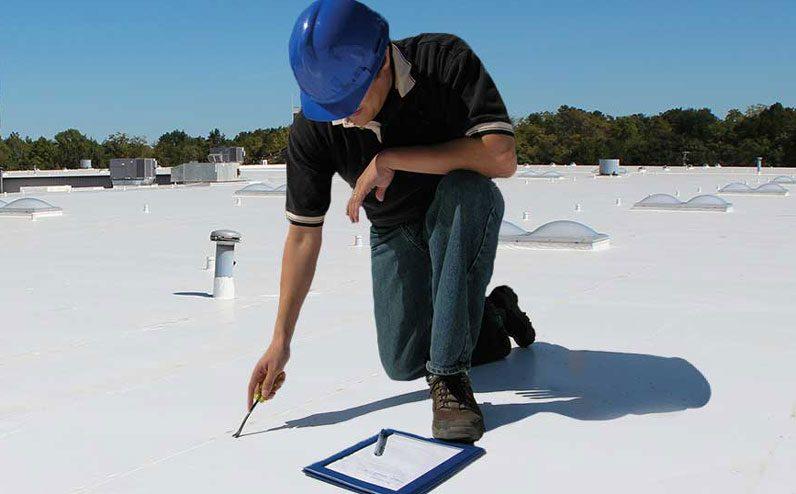
A periodic roof waterproofing inspection, ideally before and after the worst of the summer heat and again after the transition rains, catches these early signs while the fix is still a maintenance task rather than a structural repair and interior refinish.
What to ask before re-waterproofing
Before committing to a system, ask the contractor directly: is this product rated for sustained high-surface-temperature exposure, not just hot climates generically? Is thermal insulation specified alongside the waterproofing, or treated as a separate line item? And what is the warranty period, given how much faster this climate wears roofing systems down than milder regions?
A contractor who answers these specifically, rather than pointing at a generic datasheet, is more likely to deliver a roof still performing in five years, not just at handover. It is also worth asking how they handle surface preparation and humidity during application. Roof waterproofing here is not a one-size-fits-all job, and the climate punishes shortcuts. Specifying for real surface temperatures, thermal cycling and seasonal rain is what separates a roof that lasts from one back on the repair list within a year or two.
Compass Waterproofing provides roof waterproofing, cementitious systems and thermal insulation services across Qatar, the UAE and Saudi Arabia.