Roof Waterproofing Service in Qatar, UAE & Saudi Arabia
Your roof is the most exposed part of your building facing 50°C heat, intense UV radiation, and seasonal flash floods every year without a break. A failed roof waterproofing system is the number one cause of interior water damage in GCC buildings. Compass Waterproofing installs and restores roof waterproofing systems that are built specifically for the Gulf climate and backed by certified products — Duproof and Bitumat bituminous membranes, Henkel Polybit Polyseal PS, Soprema Colphene, EPDM and PVC sheets, and APP/SBS torch-applied membranes — trained applicators, and full documentation.
- Spray Membrane
- Silicone Coating
- Reflective Acrylic
- Torch-On Bituminous
What is Roof Waterproofing — and why is it so important in the GCC?
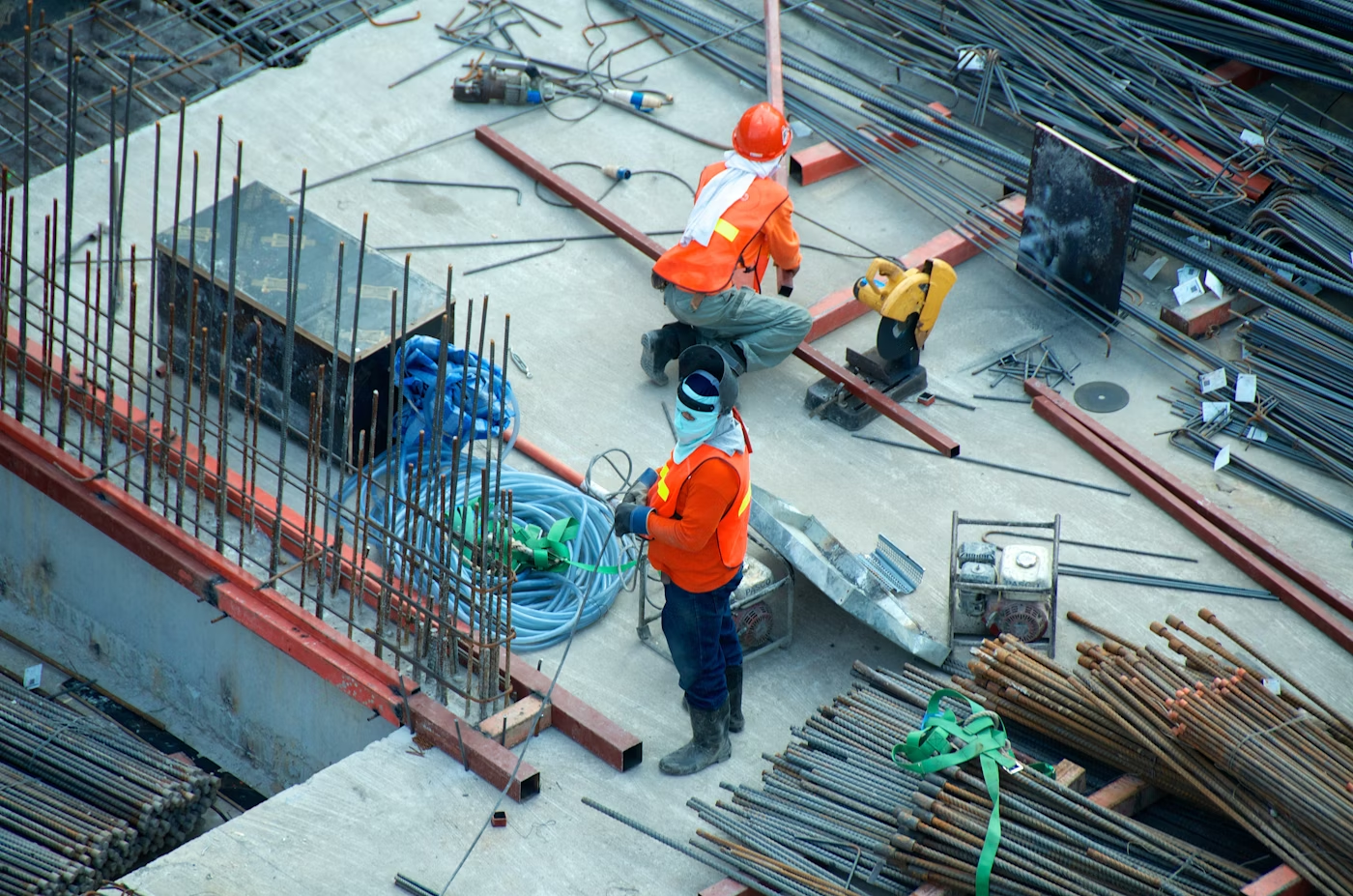
Roof waterproofing is the application of a protective system membrane, coating, or sheet to a roof surface to prevent water from penetrating the building structure below. In the GCC, it is not optional. It is one of the most important elements of any building’s envelope.
Flat roofs are nearly universal across Qatar, UAE, and Saudi Arabia. Unlike pitched roofs that shed rain immediately, flat roofs hold standing water, accumulate debris, and are exposed to full UV radiation and thermal stress every single day of the year. Without a properly specified waterproofing system, every flat roof in the GCC will eventually fail it is only a matter of when.
When a roof membrane fails, water finds the path of least resistance usually through slab penetrations, failed sealant joints, or blistered membrane sections and begins damaging ceilings, walls, electrical systems, and eventually the structural slab. The repair cost is always many times higher than the original waterproofing would have been.
At Compass Waterproofing, we have inspected and repaired hundreds of GCC roofs. We know exactly what causes early failure, poor preparation, wrong system specification, underqualified applicators, and skipped flood testing and we design every roof waterproofing job to avoid all of it.
Signs Your Roof Waterproofing Has Failed — or Is About To
These are the signs that your GCC roof waterproofing system is failing and needs professional inspection and repair before the damage reaches the interior of the building.
1Roof More Than Ten Years Old
Most acrylic and bituminous roof waterproofing systems in GCC conditions have a realistic service life of 8 to 12 years without maintenance. If your roof is approaching or has passed this age, it should be inspected before failure not after the first leak.
2Standing Water After Rain
Persistent standing water on a flat roof still present 48 hours after rain indicates blocked drainage or insufficient falls. Standing water accelerates membrane degradation and adds structural load that was never designed for. It needs to be corrected before the next rain season.
3Cracked or Brittle Coating
Acrylic and bituminous coatings that have dried out, cracked, or become brittle under GCC UV exposure have reached the end of their service life. A cracked coating is no longer waterproof it is a network of entry points for every rainfall event.
4Blistering or Bubbling Membrane
Blisters in a roof membrane are caused by moisture or air trapped beneath the membrane during application or entering through a breach. Blistered membrane has lost adhesion and will split and fail rapidly particularly during Qatar and UAE summer heat cycles.
5Visible Roof Slab Cracks
Cracks in the roof slab itself visible from below as ceiling cracks or from above through the membrane allow direct water ingress into the structural concrete. These need crack injection and membrane reinstatement before the next GCC rain season.
6Water Stains on Ceilings
Water Stains on Ceilings: Brown or damp staining on interior ceilings below the roof is the most obvious sign that your roof waterproofing has failed and water is penetrating through the slab. By the time you see this inside, the moisture has usually been in the structure for weeks or months.
Our Services
Talk to Our Team
Five Roof Waterproofing Systems — We Choose the Right One for Your Roof
Not every roof needs the same solution. We specify the correct system based on the roof type, the substrate condition, the level of foot traffic, and the performance requirements of your specific GCC building.
WetSuit® Spray Membrane
The most cutting-edge roof waterproofing method we provide is our WetSuit® 2 PART Instant Set spray-applied liquid membrane. It creates an entirely seamless, totally bonded membrane with no joints throughout the whole roof surface, including all penetrations, upstands, and intricate details, after being mixed at the spray gun and cured in a matter of seconds.
For big commercial and industrial roofs in the Gulf Cooperation Council, where speed, seamlessness, and long-term performance under intense heat and UV are all crucial, this is the best-performing technology.
BEST FOR
industrial rooftops, podium decks, large commercial roofs, and new development in Saudi Arabia, the United Arab Emirates, and Qatar
Silicone HarcoSil Roof Coating
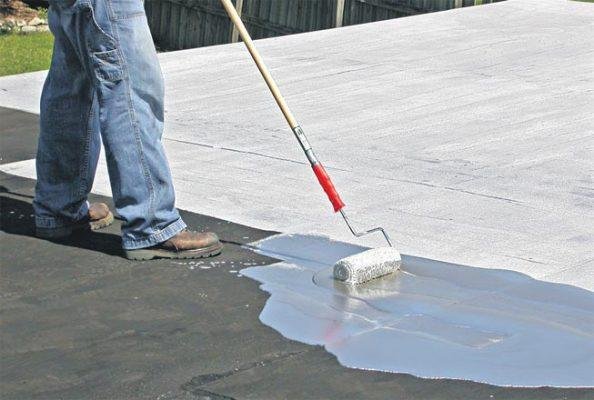
Premium silicone-based roof coatings called HarcoSil 19-97 and 29-97 were created to withstand the harsh UV conditions of the Gulf Cooperation Council. The longest-lasting roof restoration choice in the area is silicone because it is the only coating substance that does not harden, chalk, or become brittle with prolonged UV exposure.
HarcoSil restores complete waterproof performance without the expense and inconvenience of a complete strip-off whether applied directly to concrete or over existing membranes. One of the most economical ways to waterproof the roof of existing GCC buildings.
BEST FOR
long service life requirements, metal roofing, commercial flat roofs, and existing roof restoration
HPW Reflective Acrylic ReflexTM
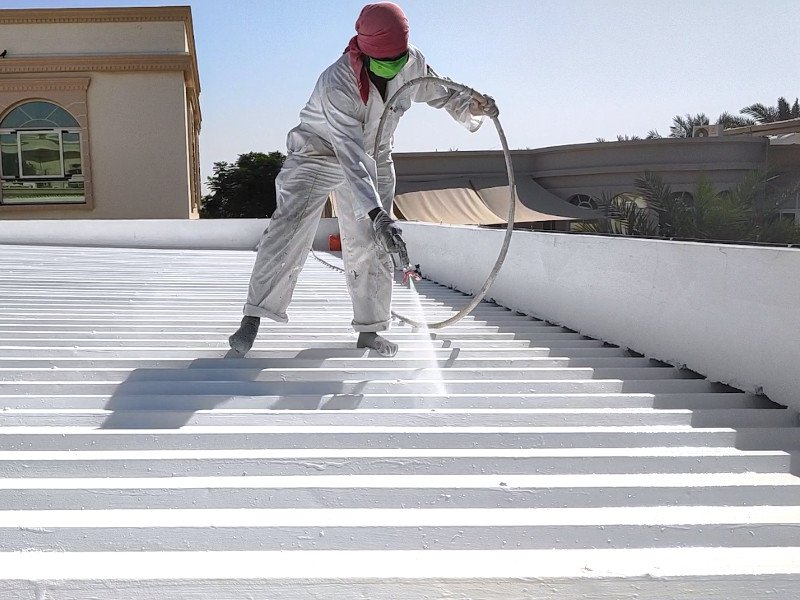
ReflexTM HPW High Performance White is a reflective acrylic coating that reflects solar heat and waterproofs the roof at the same time. By reflecting a large amount of infrared radiation before it can be absorbed by the roof slab, its dazzling white surface directly lessens the heat load on the building below and significantly lowers the energy expenditures associated with air conditioning.
Along with the waterproofing protection, the energy savings from a reflective roof coating provide a quantifiable return on investment in Qatar, the United Arab Emirates, and Saudi Arabia, where cooling accounts for up to 70% of building energy use.
BEST FOR
commercial roofs where heat reduction is a top concern, schools, hospitals, and energy-conscious structures
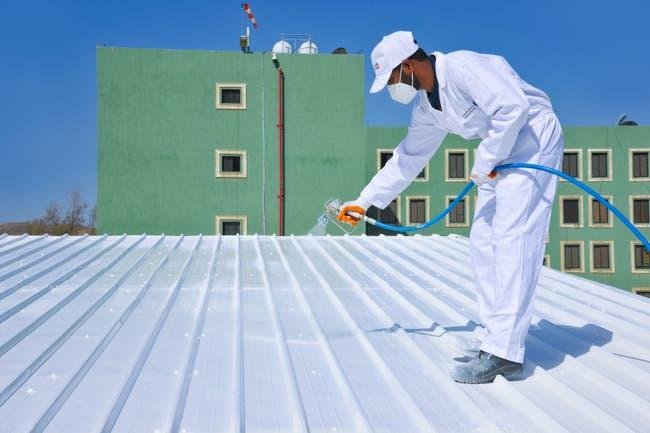
Torch-On Bituminous Membrane
For flat concrete roofs, torch-applied APP and SBS modified bituminous membranes offer a durable, tried-and-true waterproofing layer. They provide strong waterproofing for roofs exposed to high foot traffic, rooftop plant loads, and harsh mechanical conditions when used in single or multi-layer systems.
When a physically strong, puncture-resistant membrane is needed as part of a tiered waterproofing approach, bituminous systems are frequently requested on GCC infrastructure and industrial projects.
BEST FOR
infrastructure projects, heavy-duty applications, high-traffic rooftops, and roofs with mechanical equipment
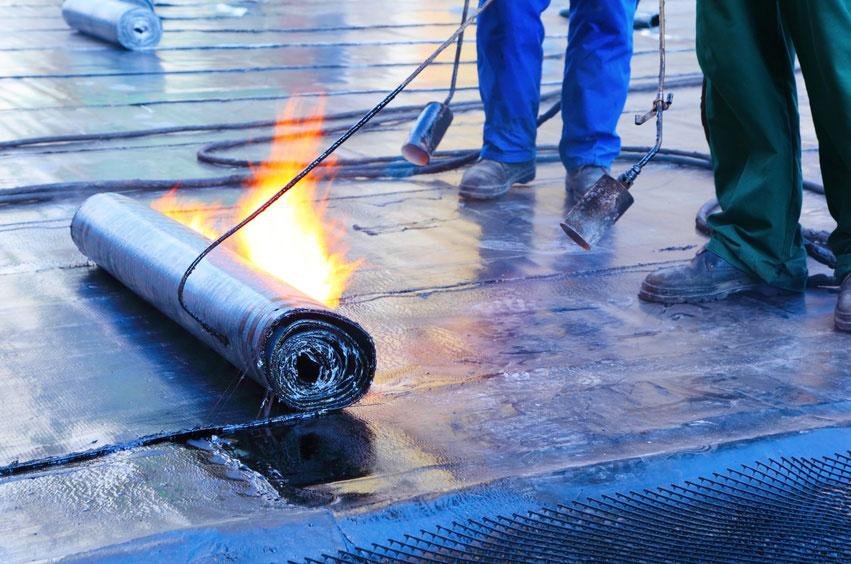
WetSuit® 1-PART Roller/Brush
WetSuit® 1 PART is a single-component liquid membrane that may be applied using a roller, brush, or airless spray; mixing is not necessary. For smaller residential and commercial roofs, detailed work, repair applications, and locations where the complete spray system is not necessary due to project scope, it is the ideal option.
It is frequently used for residential villa roofs and smaller commercial structures throughout Qatar, the United Arab Emirates, and Saudi Arabia because it is simple to install, consistently high-quality, and completely compatible with Invisilink® polyester reinforcing fabric for extra strength at crucial detail areas.
BEST FOR
detail areas, damp rooms, small business roofs, residential villas, and maintenance work
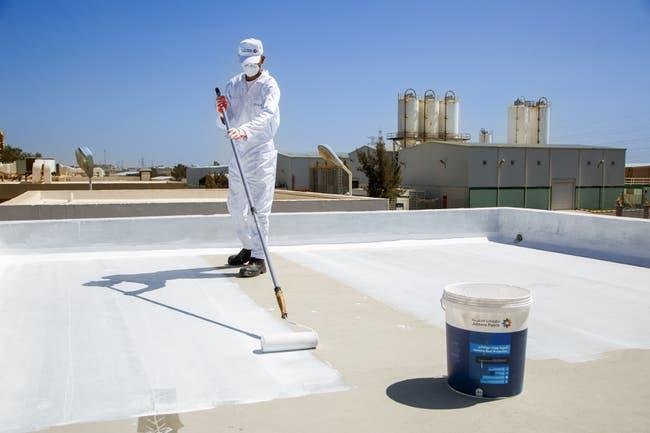
TPO/PVC Sheet Membrane
Single-ply thermoplastic sheet membranes have a long service life, superior UV resistance, and heat-welded seams. They offer a sturdy, lightweight waterproofing solution for large commercial and industrial roofs and are available in ballasted, fully adhered, and mechanically fastened forms.
Large flat roofs and metal-deck roofs, where the speed of sheet membrane installation is advantageous and the weld-formed seams remove the possibility of lap adhesion failures typical in previous membrane types, are particularly good candidates for PVC and TPO systems.
BEST FOR
Metal Deck Roofs, Large Commercial & Industrial Roofs, and Lightweight System Needs
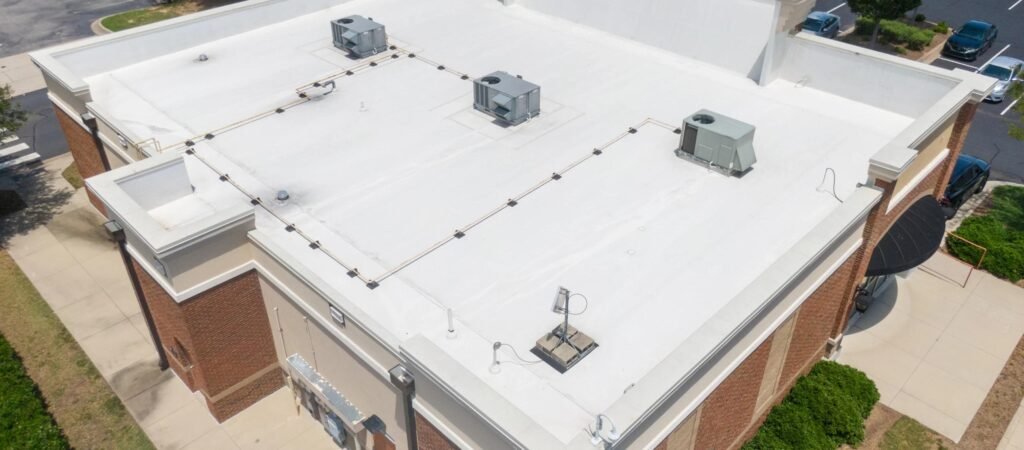
How Our Roof Waterproofing Service Works — Step by Step
Every roof job we carry out follows the same professional process — from initial inspection through to flood-tested, documented handover. No shortcuts. No skipped steps.
Roof Inspection & Condition Survey
We inspect the full roof assessing the substrate condition, existing membrane state, drainage layout, penetration details, and any visible defects. We map all problem areas before recommending any system or starting any work.
System Specification
Based on the inspection findings, we specify the correct waterproofing system for the roof type, substrate condition, and performance requirement. We provide a written recommendation with product data sheets and method statements before work begins.
Surface Preparation
Thorough cleaning, removal of all loose and failed existing membrane, crack repair, and priming of the substrate. This is the most critical step in any roof waterproofing job - a new membrane on a poorly prepared surface will fail early regardless of product quality.
Membrane Application
Professional installation of the specified system by trained applicators using the correct equipment spray rig, brush, or roller as appropriate. Application rate and film thickness are monitored and recorded throughout.
Detail Work & Reinforcement
All upstands, penetrations, drains, expansion joints, and roof edges are treated with Invisilink® reinforcement fabric and additional membrane layers. These critical details are where most roof waterproofing failures begin — we never skip them.
Flood Test & Handover
Where specified, we carry out a flood test filling the roof with water for 24 to 48 hours to confirm watertightness before sign off. Full documentation including inspection records, product data sheets, and warranty papers are provided at handover.
Common Questions About Roof Waterproofing Service in GCC
What is the best roof waterproofing system in Qatar & GCC?
WetSuit spray-applied liquid membrane provides the ultimate seamless, joint-free coverage for new GCC roofs and is rated for extreme UV and 50°C heat. For existing roofs in good structural condition, HarcoSil silicone coating is the best choice for restoration – it never hardens or chalks under GCC UV intensity and lasts up to 25 years. Where reducing energy is also a priority, Reflex™ HPW white reflective acrylic combines waterproofing with solar heat reflection. Before we can make any recommendations we always look at your roof — the right answer depends on the condition of your roof.
What is the lifespan of roof waterproofing in GCC conditions?
This is very system dependent. However, silicone coatings such as HarcoSil last 20-25 years in GCC conditions. WetSuit® spray membranes last on average 15 to 20 years. Acrylic and bituminous systems generally have a life expectancy of 10 to 15 years before requiring restoration or replacement. Quality of preparation is the single biggest factor in service life. A membrane on a poorly prepared substrate will fail early no matter what the product. Preparation is not negotiable.
Is it possible to waterproof a roof without stripping off the old membrane?
Yes – often a new waterproofing system can be applied over an existing membrane without having to strip everything off. This is subject to the existing membrane condition. It must be structurally sound, well adhered, free of blisters and active moisture. HarcoSil silicone coating and WetSuit® spray membranes can be applied over properly prepared existing substrates. If the existing membrane is delaminated, blistered or severely degraded, the new system will only perform correctly if the existing membrane is stripped off and fully replaced.
How does reflective roof coating help in reducing energy cost in Qatar and UAE?
Much of the solar radiation, especially infrared energy which is the largest component of heat load, is reflected away from the roof slab by the Reflex™ HPW white reflective coating before it can be absorbed. This directly reduces the surface temperature of the roof, thereby reducing the amount of heat conducted through the slab into the building. In GCC buildings where cooling runs for nine months of the year, lower rooftop temperatures lead to lower indoor temperatures and less strain on air conditioning systems, measurably reducing electricity bills.
Why does roof waterproofing fail faster in the GCC than other countries?
Roof waterproofing in the GCC is degraded by environmental stresses at a faster rate than in almost any other climate in the world. Organic coatings are rapidly destroyed by extreme UV radiation. Thermal cycling – from 50°C days to cooler nights – puts stress on membrane bonds through repeated expansion and contraction. Sometimes, flash floods impose sudden hydrostatic load on drainage systems. In Qatar, Dubai and Abu Dhabi, the salt air on the coast accelerates adhesion failure at the edge of the membrane. In Europe, systems can be designed to last 20 years, but in the GCC they can die in 5 to 8 years if not specified and maintained properly.