Crystalline waterproofing has become one of the most reliable ways to keep concrete dry across Qatar, the UAE, and Saudi Arabia, mainly because it works from inside the concrete itself rather than sitting on top of it as a coating that can tear, blister, or peel away.
In this article
What crystalline waterproofing actually is
Crystalline waterproofing is a cement based technology, not a paint or a sheet membrane. The product is a powder made of Portland cement, fine silica sand, and a set of proprietary active chemicals. It gets mixed with water and applied as a slurry coat, or added directly into the concrete mix at the batching plant.
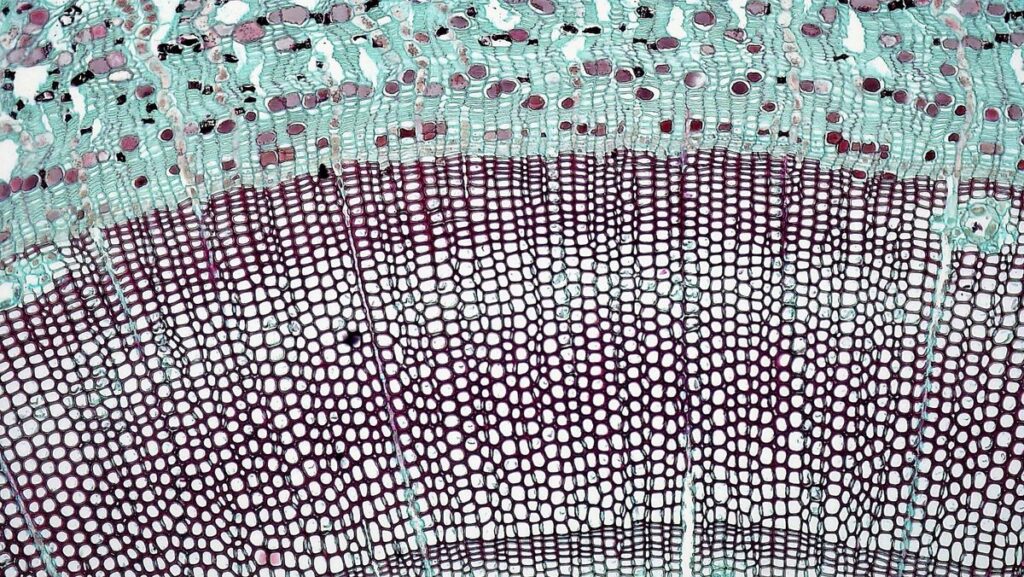
Once it touches moisture, the active chemicals react with the calcium hydroxide naturally present in cured concrete. That reaction grows insoluble crystals inside the pores and capillary tracts of the concrete itself. Those crystals block the tiny channels water would otherwise travel through, so the barrier is not a layer stuck to a surface. It becomes part of the concrete, several centimetres deep in most cases, which is why it cannot be scraped off, punctured, or peeled away the way a membrane can.
How the system keeps working after installation
The self sealing property is what separates crystalline systems from most other options on the market. If a hairline crack opens up in the slab later, whether from settlement, thermal movement, or vibration, water finds a new path through that gap. The moment it does, any unreacted crystalline material along the crack face reactivates and grows new crystals, sealing the opening from within.
This works for cracks up to roughly 0.4mm in most published product data, which covers the great majority of shrinkage and settlement cracking in ordinary concrete. A basement wall or a water tank does not need to stay perfectly crack free forever. It needs the crystalline chemistry present in the mix, ready to react whenever water shows up uninvited.
Why local site conditions favour this approach
Doha, Dubai, and the coastal cities of Saudi Arabia share a difficult combination for concrete: a shallow water table, saline groundwater, and long stretches of heat followed by sharp temperature drops at night. Below grade structures here sit in wet, salty ground for most of the year, and that groundwater pushes against foundation walls under real hydrostatic pressure.
Membrane systems applied to the outside of a foundation wall depend on a continuous bond to the concrete and on nobody puncturing them during backfilling. Crystalline waterproofing does not carry that weakness, since it is chemically bonded into the concrete rather than glued to its surface. It also moves with the slab under thermal stress instead of fighting against it, which matters given how much these structures expand and contract between a hot afternoon and a cool desert night.
Where contractors actually use it
In practice, crystalline waterproofing shows up most in structures that stay in contact with water or that are impossible to access again once built. Basement walls and slabs, lift pits, tunnels, and below grade car parks are the obvious cases. Water retaining structures such as tanks, reservoirs, and swimming pools rely on it heavily too, since it is one of the few systems considered safe for structures that hold potable water.
Cementitious waterproofing systems like this one are also common on retaining walls and podium decks, where a membrane would be difficult to inspect or repair later. If a structure develops a crack after years in service, crack injection is usually the practical fix rather than tearing out finished work.
Crystalline versus membrane systems
Neither approach is universally better, and any contractor who says otherwise is usually selling one product. Sheet and liquid membranes still make sense on exposed roofs and terraces, where the surface is visible, walkable, and needs UV resistance plus a finished look. Roof waterproofing projects lean on membrane systems for exactly that reason.
A membrane hidden behind a basement wall cannot be fixed without excavation. Crystalline treatment built into the concrete can still seal itself years after handover.
Crystalline treatment earns its place below ground and inside water retaining structures, where nobody will inspect the waterproofing layer again once backfill goes in or a tank fills up. It handles positive and negative side water pressure, meaning it works whether water pushes from outside a wall or from inside a tank. That flexibility is rare, and it is why many basements and reservoirs in this region now specify it as standard rather than an upgrade.
Getting the application right
Crystalline waterproofing is forgiving compared to membranes, but it still fails when installed carelessly. The concrete surface needs to be clean, free of laitance, and slightly damp before the slurry goes on, since the reaction depends on moisture and an open pore structure to migrate into. Painted, sealed, or heavily carbonated concrete blocks that migration, and the product simply sits on the surface instead of penetrating it.
Dosage and coverage rate matter more than most site teams assume. Under applying to save material is a common mistake and it quietly reduces the depth of crystalline growth. Construction joints and cold joints need particular attention, since they are the weakest point in almost every basement that later develops a leak. Curing time before backfilling or flooding a tank cannot be rushed either.
What this means for building owners
For a developer or facilities manager, the appeal of crystalline waterproofing comes down to what happens after handover. Built into the concrete, it keeps a self sealing capacity for the working life of the structure, which matters far more on a 30 or 40 year asset than it does on the day the concrete is poured.
It will not fix a badly designed structure and it is not a substitute for proper drainage, damp proofing detailing, or realistic expectations about very wide cracks. Used correctly, on the right structure, it remains one of the more durable waterproofing decisions available for buildings that spend their working life below the water table.