Epoxy Flooring Service in Qatar, UAE & Saudi Arabia
Industrial-strength and decorative epoxy floor coatings for warehouses, factories, hospitals, showrooms, and commercial spaces across Qatar, UAE, and Saudi Arabia.
A Floor That Works as Hard as You Do
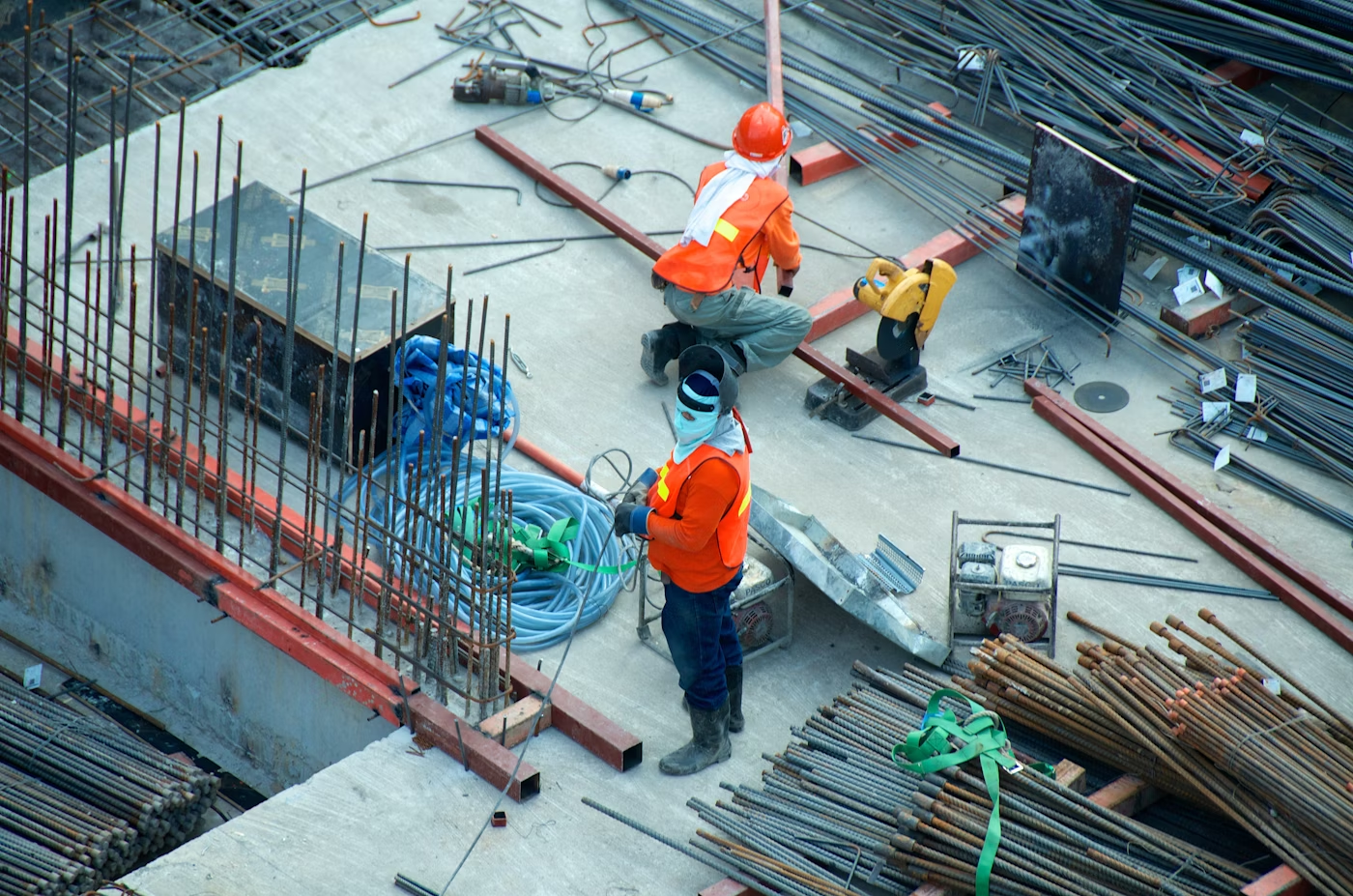
Epoxy flooring is a high-performance surface coating system made by combining an epoxy resin with a hardener. When applied to a concrete floor, it cures into a hard, smooth, and seamless surface that is significantly stronger and more durable than plain concrete alone.
In the GCC, where industrial and commercial facilities operate under extreme heat, heavy machinery traffic, chemical exposure, and demanding hygiene standards, standard concrete floors simply do not hold up. Epoxy floors solve that problem they resist damage, seal the surface against contamination, and are easy to clean and maintain over many years.
Epoxy flooring is not a single product. It is a system and the right system depends entirely on your floor’s use, your facility type, and the specific performance you need. At Compass Waterproofing, we assess your floor, specify the correct system, and apply it with trained teams who understand what a GCC industrial or commercial floor demands.
Whether you need a hard-wearing floor for a warehouse in Doha, a hygienic coating for a food production facility in Riyadh, or a decorative metallic finish for a showroom in Dubai we have the product, the process, and the experience to deliver it correctly.
When Should You Consider Epoxy Flooring?
Many building owners wait until the floor is visibly damaged before acting. By then, concrete contamination runs deep and preparation costs increase. These are the signs to watch for.
Dusty or Porous Concrete Surface
Bare concrete is porous, and soaks up oils, chemicals and moisture. Once it is contaminated, it is a hygiene and structural problem. Epoxy seals the surface completely preventing absorption at the source.
Cracking or Spalling Floor Surface
Surface cracks allow water, oil and chemicals to seep into the concrete slab and weaken it from the inside. A well-prepared and coated epoxy system will arrest this deterioration before it becomes structural.
Floors That Are Difficult to Clean
If your facility needs regular cleaning and the floor is stained or has bacteria in the surface pores, an epoxy system is the best long-term solution, especially in food, pharma or healthcare environments.
Heavy Traffic and Forklift Operations
Forklift wheels, pallet loads and point loading from industrial equipment rapidly degrade uncoated concrete. A high-build epoxy system absorbs impact and distributes load to protect the slab from below.
Chemical Spillage Risk in the Area
Warehouses, laboratories, manufacturing plants, and oil and gas facilities can expose floors to chemicals. Epoxy does not fail quickly when exposed to acid, solvent or fuel — standard concrete does.
Upgrading a Commercial Space or Showroom
Metallic and decorative epoxy flooring is a great way to change the look of retail showrooms, office lobbies and commercial environments. It provides a seamless, high gloss finish without the expense and complexity of natural stone or tile.
Our Services
Talk to Our Team
Key Performance Properties
Compressive strength up to 80 N/mm²
Chemical and oil resistance — resists acids, solvents, fuels
Seamless, joint-free surface for hygienic environments
Anti-slip finishes available for safety compliance
Heat resistance up to 80°C continuous
Available in food-safe, pharmaceutical-grade formulations
Electrostatic dissipative (ESD) options for electronics facilities
UV-stable topcoats for GCC sunlight exposure
Cures in 24–48 hours — minimal downtime
ASTM C1583 adhesion tested before every application
Six Epoxy Systems — One Right for Your Floor
Not every floor needs the same solution. We match the system to your specific facility type, traffic load, chemical exposure, and performance requirement.
Self-Leveling Epoxy Flooring
A smooth, seamless, high-gloss floor coat, usually 2–3 mm thick. Self levels for a perfectly flat professional finish The best-selling option for warehouse, Showroom & Commercial complexes.
- Warehouses and logistics centres
- Car Dealerships and Showrooms
- Office Lobbies & Commercial Interiors
- Medium to Light vehicle traffic areas
Epoxy Screed Flooring
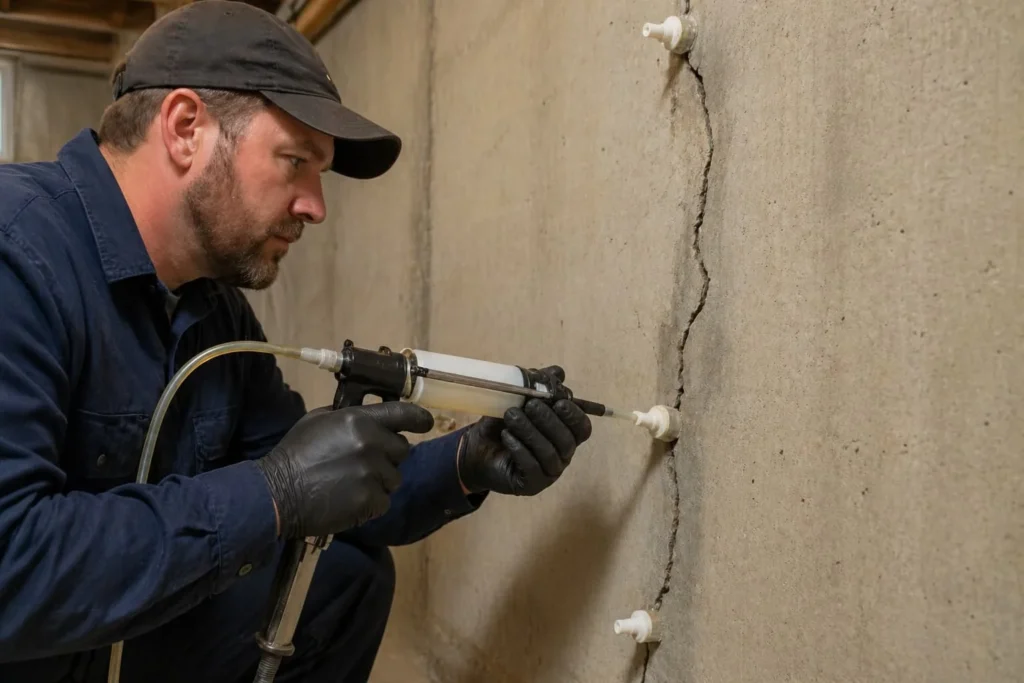
A heavy duty system heavier applied at 4-9mm depth. Specifically engineered for very heavy load, impact exposure and aggressive industrial use. Offers excellent compression and tension strength.
- Big industrial factories and plants
- Forklift and HGV working areas
- Machine shops
- Loading areas and docking bays
Anti-Slip Epoxy Flooring
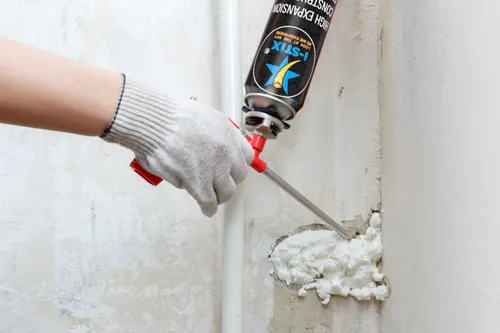
A textured surface created by broadcasting aggregate (quartz, silicon carbide or aluminium oxide) into the epoxy coating while still wet. Slippery when wet or soiled.
- Production and processing areas for food
- Ramps, stairs and pedestrian areas
- Kitchens, wash bays and wet rooms
- Sections for safety compliance certifications
Chemical-Resistant Epoxy
Specialist formulation, resistant to direct contact with acids, alkalis, solvents, fuels and aggressive chemicals. Applied in multiple layers with a chemical resistant top coat for maximum protection.
- Chemical manufacturing & storage
- Laboratories and Test Facilities
- Oil and gas processing facilities
- Pharmaceutical and Biotechnology Manufacturing
Food-Safe & Hygienic Epoxy
A seamless, non-porous flooring system for facilities that require high standards of hygiene. Volatile Organic Compound Free and Approved for areas of direct contact with food or pharmaceuticals
- Food processing and packing plants
- Hospitals – operating theatres and clean rooms
- pharmaceutical manufacture
- School kitchens and canteen facilities 3.2
Decorative & Metallic Epoxy
A decorative flooring system utilising metallic pigments, colour flakes or quartz aggregates to achieve distinctive, high-end finishes. ideal for retail and hospitality environments where looks are as important as durability.
- Luxury boutiques and retail showrooms
- Hotels, restaurants and hospitality venues
- Company offices and reception areas
- Residential use: villas and penthouses
What Makes Our Epoxy Flooring Different in the GCC
There are many applicators in Qatar, UAE, and Saudi Arabia who can mix and pour an epoxy coat. What sets Compass apart is what happens before and after the pour.
Concrete Assessment Before Every Application
Before beginning we test your floor's moisture content, pull off adhesion strength and surface profile. If the concrete is bad, contaminated or wet – we repair it first. That's why our floors won't peel in 2 years like the cheaper applications.
Diamond Grinding and Shot Blasting Preparation
We prepare the concrete surface to the correct CSP (Concrete Surface Profile) using professional diamond grinding and shot blasting equipment. Most competitors use hand grinders or skip this step all together, which is the number one cause of delamination.
Internationally Certified Products — ASTM, BS, ISO
Every epoxy product we use has a published Technical Data Sheet, method statement and international compliance certificate. Our products use third party tested adhesion and compressive strength data, not unverified local alternatives.
GCC Climate Application Expertise
In Qatar or Saudi Arabia in the summer, use of epoxy is subject to stringent control of temperature and humidity. We have the right substrate and ambient temperature windows for scheduling applications and we use specialist slow cure formulations that work correctly in GCC conditions.
Full Documentation and Warranty on Every Job
We turn over every epoxy flooring project with full documentation – product data sheets, batch numbers, application records, adhesion pull-off test results, and a written warranty. You have everything you need for your consultant, client or authority submission.
On-Ground Teams in Qatar, UAE, and Saudi Arabia
We don't subcontract your floor out to the first guy who's available. Operating across all three GCC countries our trained teams of applicators provide quality, accountability and direct communication throughout the entire process, from site assessment to final handover.
Common Questions About Epoxy Flooring Service in GCC
How long does epoxy flooring last in Qatar or UAE?
A properly designed and correctly applied epoxy flooring system should normally last 10-15 years in GCC conditions. The lifetime is a function of traffic loading, chemical exposure, and the quality of the concrete preparation prior to application. Self-leveling systems can last 12+ years in low-use areas. Industrial screed systems that are heavily used by fork-lifts usually last 15-20 years.
Can we apply epoxy flooring in summer in Qatar?
Yes – but you need to get the timing right and use specialist products. Standard epoxy formulations should be applied at concrete surface temperatures of 10° to 35°C. Substrate temperatures outdoors in summer in Qatar can exceed 50°C. We schedule GCC summer applications in the early morning hours and we use slow cure, high temperature tolerant epoxy formulations which are specifically selected for summer conditions in the GCC.
Does the floor need to be closed off during application?
Epoxy usually needs 24 hours to cure for foot traffic and 48-72 hours for vehicle traffic. For facilities that are in use, we work in sections so that you can keep your operations running in one area while we coat another. We also have fast cure epoxy systems which can be returned to light foot traffic in 6-8 hours in some cases.
How is epoxy flooring different from poly-urethane flooring?
Epoxy flooring is harder and stronger, with greater chemical resistance, making it ideal for industrial and high-load environments. Polyurethane (PU) flooring is more flexible, absorbs impact and vibration better and performs better during thermal cycling (expansion and contraction). Epoxy is the best choice for most warehouses and factories in the GCC. In food production areas where there are temperature fluctuations, a combination PU top coat over an epoxy base is often the best system.
Is epoxy flooring safe in food production areas?
Yes – if the right system is chosen. Our epoxies are food safe formulations without volatile organic compounds and without surface pores that harbour bacteria, and are approved for direct or indirect food contact areas. These systems are widely used in GCC food factories, commercial kitchens, cold stores and HACCP-certified production units.