
Compass Waterproofing delivers professional waterproofing, coating, and thermal insulation services across the United Arab Emirates. Our on-ground team serves Dubai, Abu Dhabi, Sharjah, and all seven Emirates — with certified products, proprietary spray equipment, and full compliance documentation for every UAE project.
Saudi Arabia is the largest construction market in the Middle East, and the climate is unforgiving across most of it. From the megaprojects of NEOM and the Red Sea Development to the housing programmes around Riyadh and the industrial expansion in Jubail and Yanbu, every structure here sits inside a combination of stresses you do not find together anywhere else.
Interior cities bake at over 50°C in summer with very low humidity. The Eastern Province coastline combines that heat with constant salt-laden air off the Arabian Gulf. The Red Sea coast adds its own conditions. In our experience, a waterproofing system that performs in Riyadh will not necessarily perform in Dammam, and a system that holds up on a Jeddah seafront tower will face very different stresses than one on a mountain resort in NEOM. The specification has to follow the actual site, not the country.
Our technical team has been working across the Kingdom long enough to know which systems survive these conditions. We do not specify from a catalogue. We specify from what we have seen fail and what we have seen last
Interior cities like Riyadh and Al-Ahsa regularly exceed 50°C in summer. Roof membranes, concrete slabs, and joint sealants that are not designed for this thermal extreme expand, contract, and fail within a season or two. Standard SBS bituminous membranes — still specified on a lot of Saudi tenders — are not rated for the sustained substrate temperatures we measure on Riyadh rooftops in July.
Saudi Arabia has some of the highest annual UV indexes recorded anywhere. Standard acrylic and bituminous membranes chalk, harden, and crack under year-round exposure. Only UV-rated silicone (we use HarcoSil) and certified liquid membrane systems (WetSuit®) hold up for a full service life. ASTM G155 accelerated weathering data is the right place to look when comparing membrane UV resistance — we ask suppliers for it before specifying
Jeddah, Yanbu, Dammam, Al-Khobar, and the whole Eastern Province coastline sit in constant chloride-laden air. Chloride penetrates concrete cover, attacks rebar, and causes spalling. We see it most clearly on coastal towers around 8 to 12 years after construction — rust staining starts to show on balcony soffits, then concrete cover begins to break away. Once that visible damage appears, the deterioration inside the slab has already been advancing for years. ACI 365.1R covers the service-life modelling that informs how we specify protective coatings in coastal Saudi work
Wind-driven sand abrades roof membranes, coatings, and exposed sealants. Systems installed in central and northern Saudi Arabia need abrasion resistance built into the specification — not added as an afterthought. We have seen unprotected acrylic topcoats in the Riyadh region lose measurable film thickness in a single sandstorm season
From Riyadh residential compounds to Aramco industrial facilities, from NEOM hospitality work to Jeddah waterfront towers, we cover every waterproofing and coating scope with certified products and bilingual documentation.

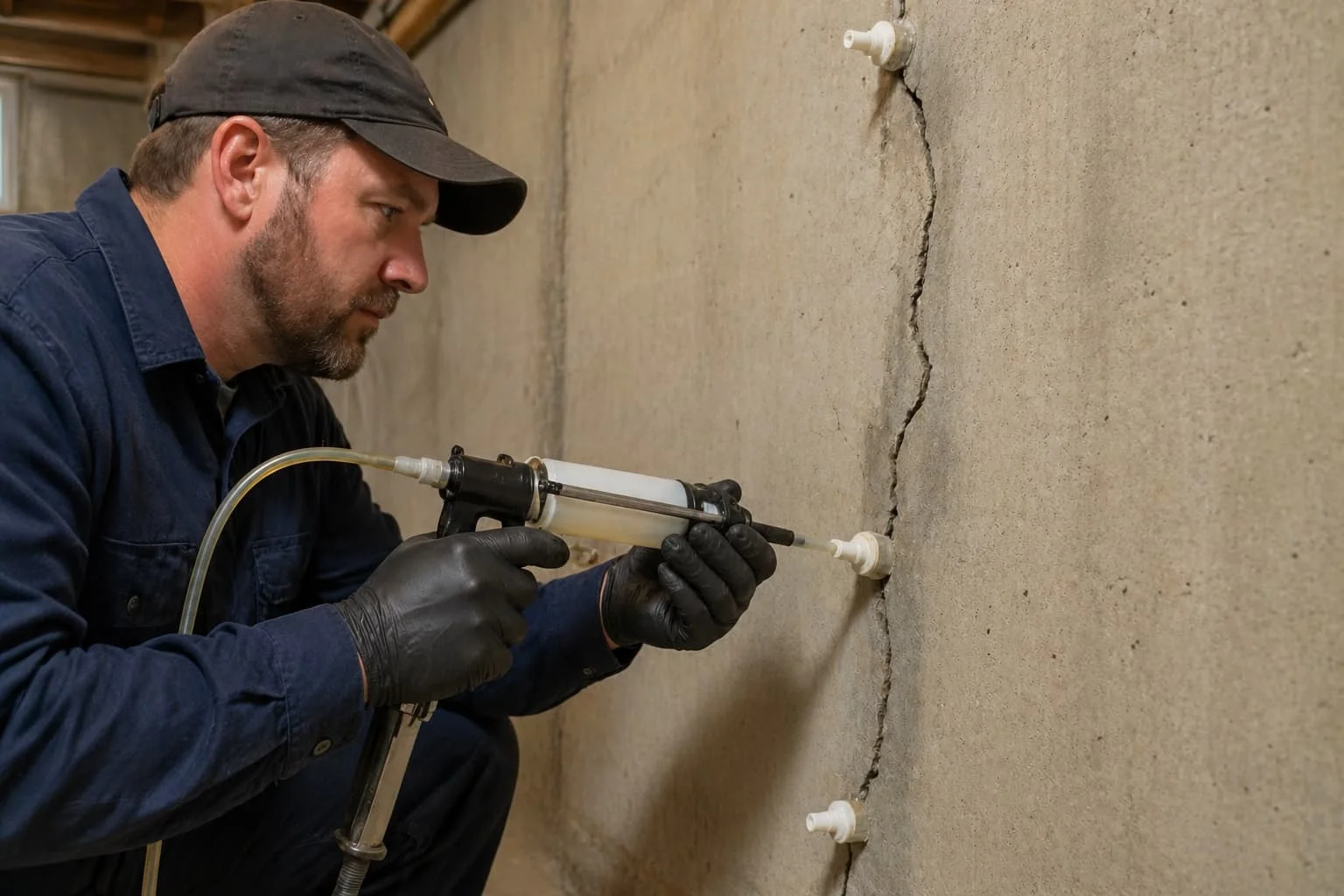
Crack Injection Epoxy injection for dry structural cracks (per ACI 224.1R guidance), polyurethane foam injection for active water leaks. Full method statement documentation in Arabic and English for Saudi project records and consultant review.

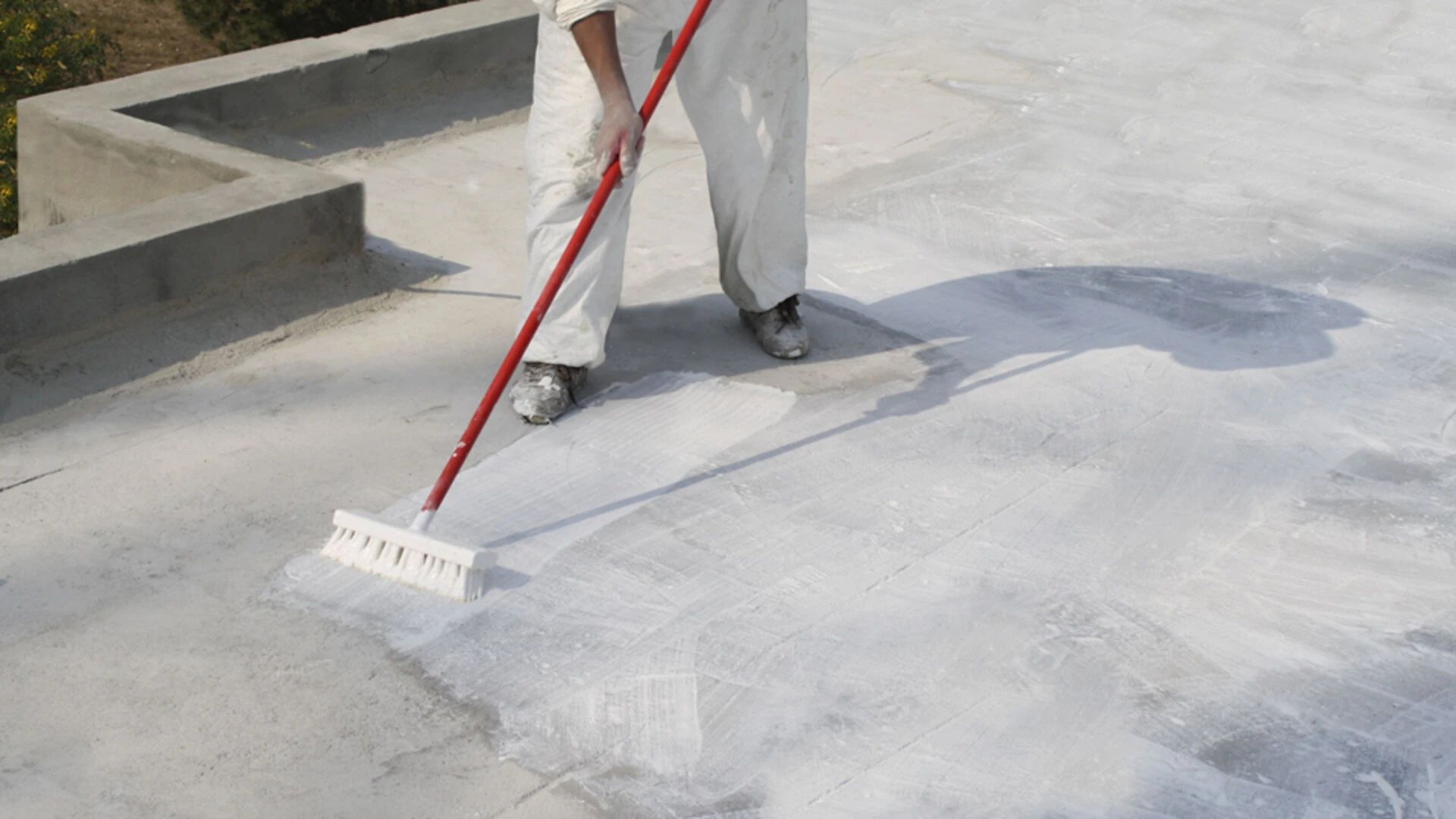
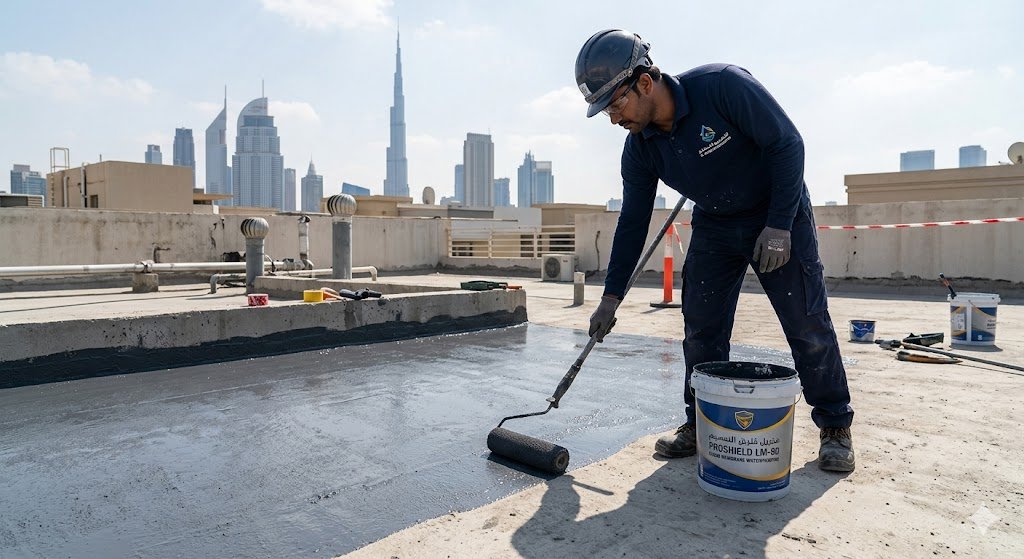
Roof Waterproofing Flat roofs in Saudi Arabia face the most demanding UV and thermal cycling in the GCC. We install WetSuit® spray membranes, HarcoSil silicone roof coatings, and Reflex™ HPW reflective acrylic — all rated for Saudi summer conditions and supported with SASO documentation.

Liquid Membrane Waterproofing WetSuit® liquid membrane cures to a seamless, fully bonded waterproof layer with no joints. The right specification for the complex geometries you find on Saudi megaprojects — podium decks, planters, below-grade structures, curved architectural surfaces.

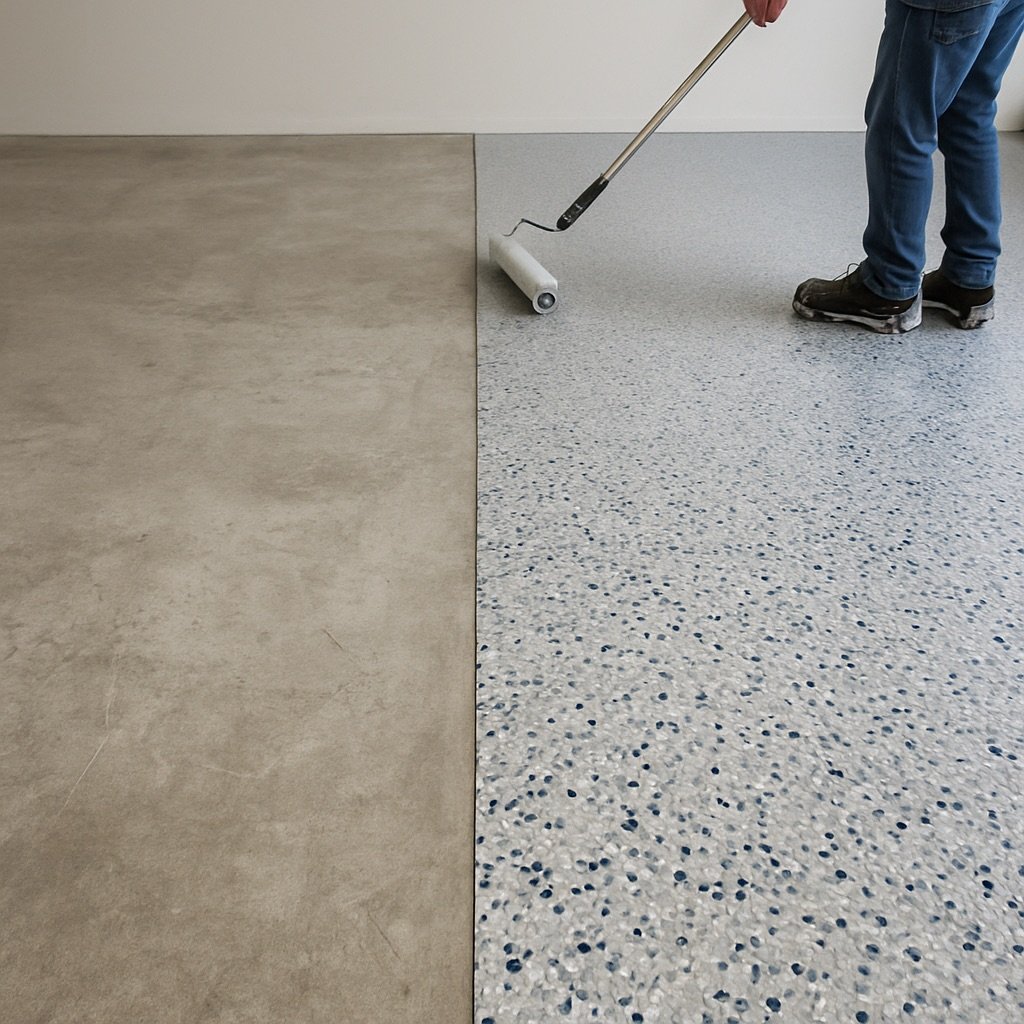
Epoxy Flooring Seamless, chemical-resistant epoxy flooring for Saudi factories, warehouses, petrochemical facilities, hospitals, and commercial spaces. Heavy-duty screed, self-levelling, anti-slip (R10 to R13), chemical-resistant, and anti-static ESD systems installed across the Kingdom.

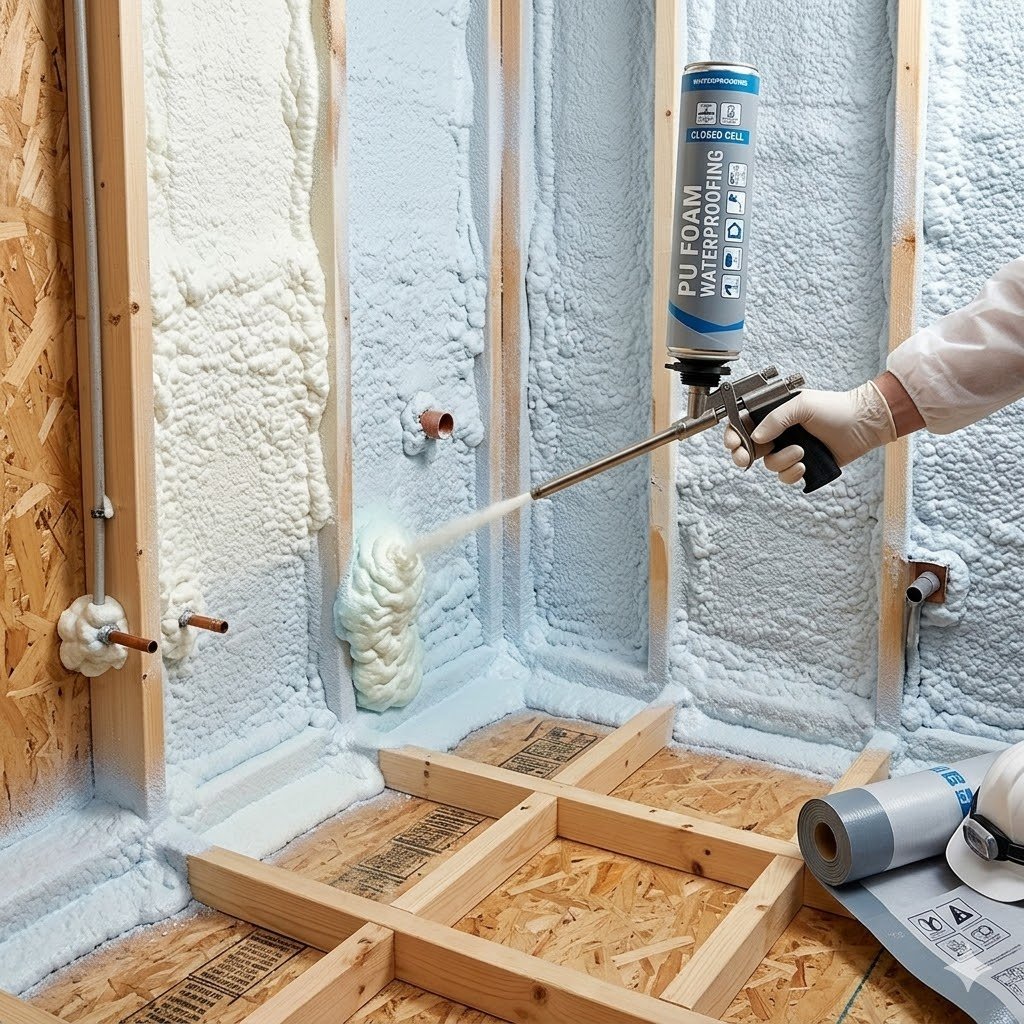
PU Foam Waterproofing Polyurethane foam injection stops active water leaks while water is still flowing. The right call for Saudi basements, underground car parks, water tanks, and infrastructure with live seepage. No excavation, no demolition.

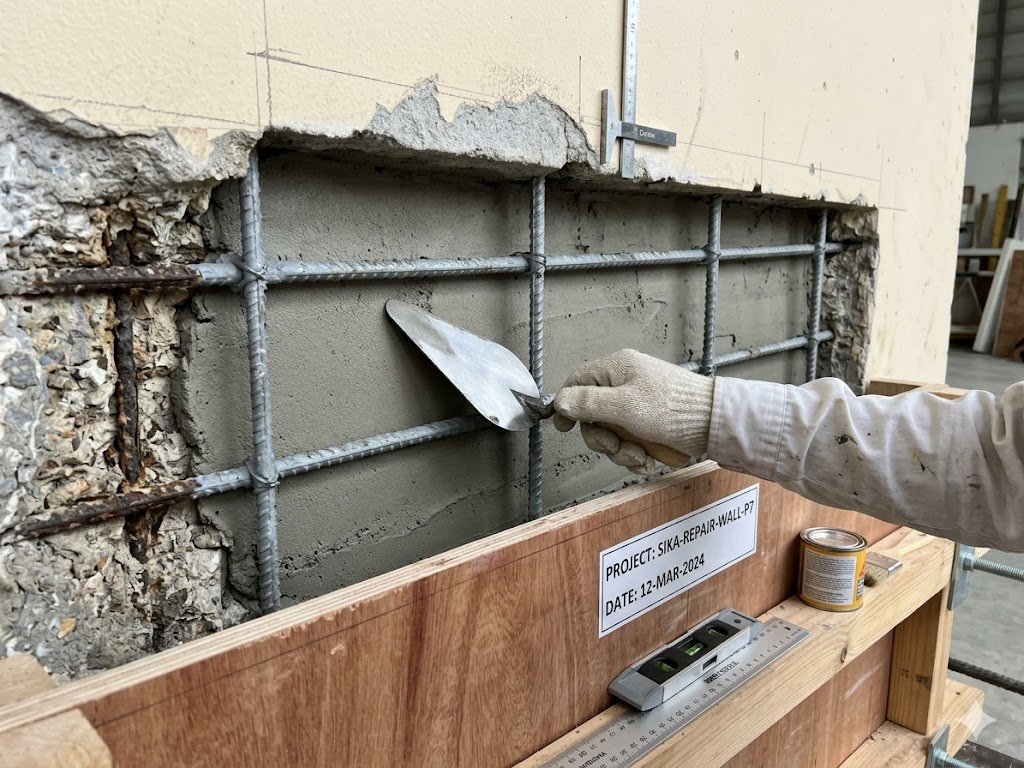
Concrete Repair & Restoration Coastal structures in Jeddah, Dammam, and along the Red Sea suffer aggressive chloride-induced rebar corrosion. We assess, cut back to sound concrete per ACI 546 guidance, treat exposed reinforcement, reinstate with polymer-modified mortar, and apply protective coatings.

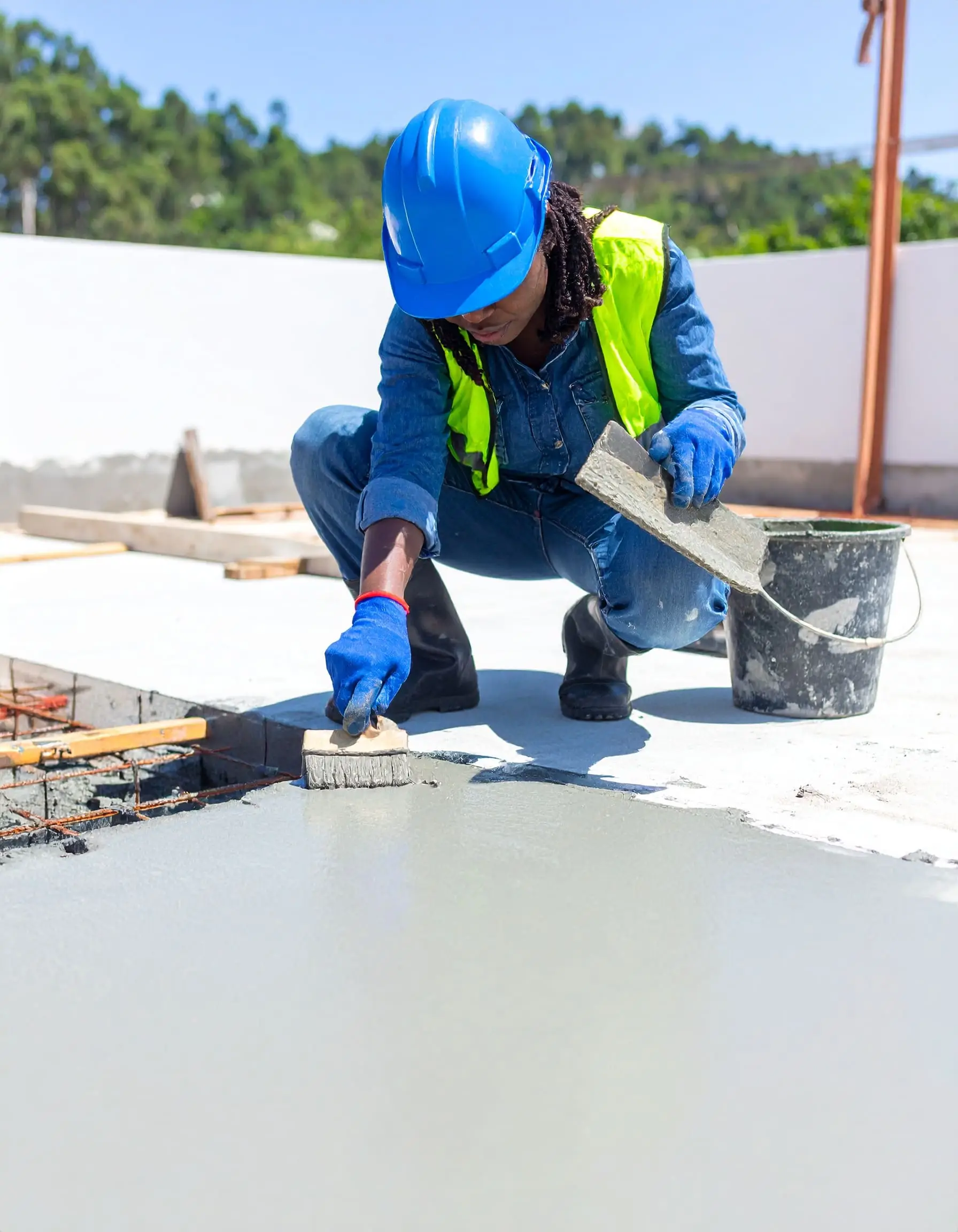
Cementitious Waterproofing Reliable cementitious waterproofing for Saudi basements, water tanks, swimming pools, and below-grade structures. Our systems are certified to NSF/ANSI 61 for potable water contact — the correct specification for Saudi drinking water storage, desalination, and treatment infrastructure.

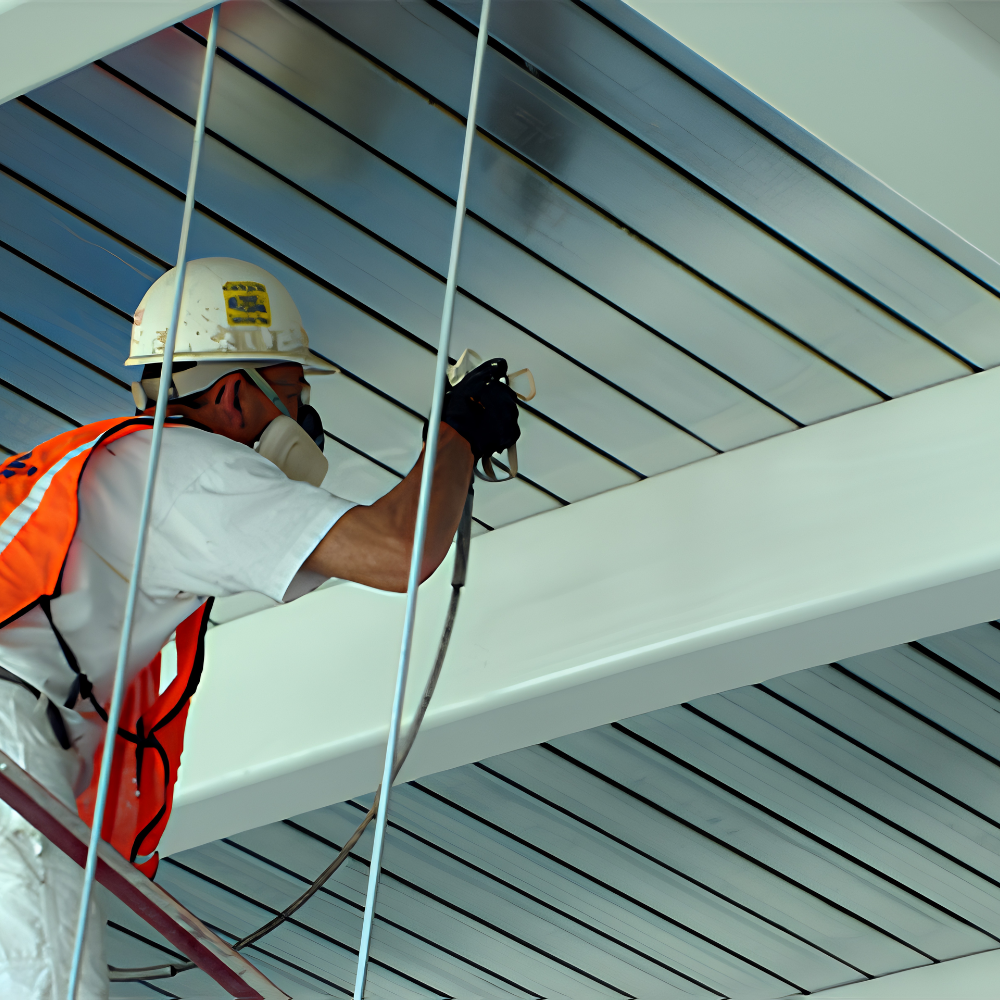
Coating Services Anticorrosion coatings (compatible with Aramco SAES-H standards), intumescent fire-resistant coatings meeting Saudi Civil Defense requirements, silicone roof coatings, blast mitigation systems, and self-sanitising coatings for healthcare, hospitality, and government projects across the Kingdom.

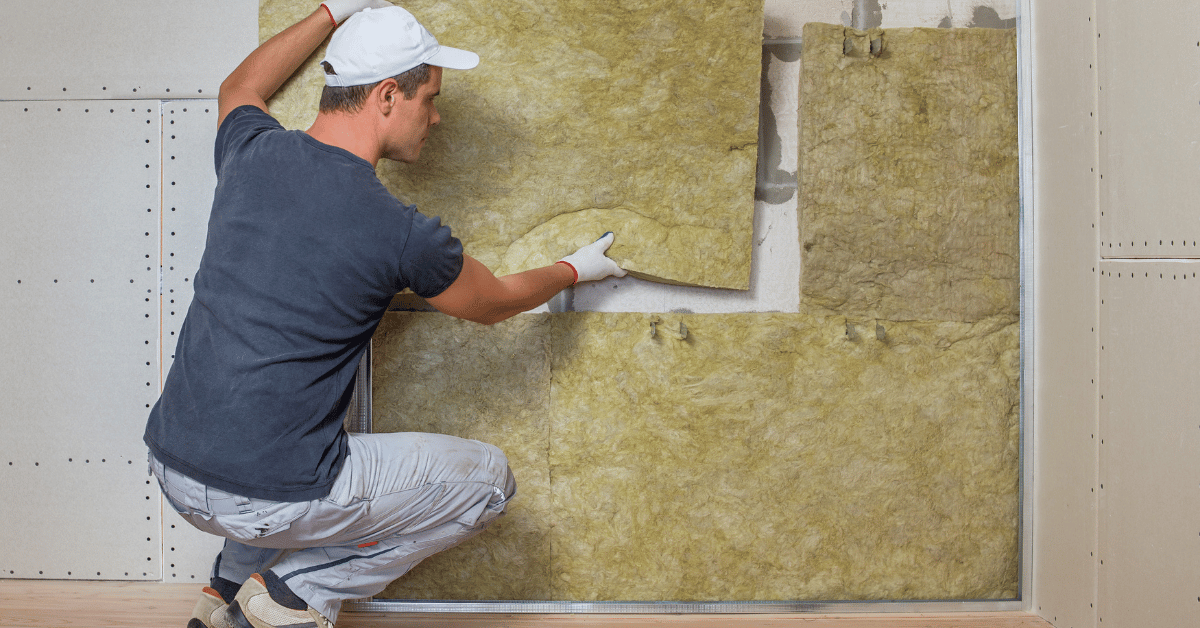
Thermal Insulation HARCOAT CIC 1000 ceramic insulation coating reduces Saudi rooftop surface temperatures by up to 45% — cutting air conditioning costs during the Kingdom's long cooling season. Applied on residential, commercial, and industrial piping, tanks, and process equipment.
We are not a supplier, shipping products from overseas to UAE. We are a GCC-based company with an active team and local stock in UAE and we are ready to respond, visit the site and deliver.
We hold product stock and a technical team inside the Kingdom. That means same-day response, site visits in Riyadh, Jeddah, and the Eastern Province within 24 to 48 hours, and no waiting on shipments stuck at customs. In our experience, this is the biggest single difference between us and the overseas brands working through Saudi agents.
Our products and documentation comply with Saudi Building Code (SBC 201, 304, 305 as applicable), SASO standards, and Saudi Civil Defense fire code where structural fire protection is required. Method statements, technical data sheets, and product approval submissions are formatted in the layout Saudi authorities expect — not a generic template translated from English.
Every method statement, technical data sheet, and warranty paper is provided in both Arabic and English as standard. For Saudi government tenders, Aramco submissions, and Vision 2030 megaproject consultants, bilingual documentation is not optional — and most international suppliers cannot provide it at the submission stage.
On Saudi projects we deploy our own heated plural-component spray equipment, which delivers uniform film thickness and continuous coverage you cannot achieve manually on the kind of large rooftops and podium decks typical of Saudi development. We verify wet film thickness during application and dry film thickness once cured.
Every product we use on Saudi work has published technical data sheets and international certification — ASTM C836 for liquid-applied membranes, ASTM C957 where applicable, BS 8102 for below-grade waterproofing design, ISO 9001 quality management on supply. No unbranded generic materials, full traceability.
We supply Vision 2030 developments with the documentation depth, compliance rigour, and material consistency these flagship projects demand. Saudi megaproject consultants want to see the same product spec, the same applicator standard, and the same documentation format across multi-year construction phases — that continuity is what our on-ground Saudi team delivers.
The process starts with a thorough consultation to understand precisely what waterproofing needs you have. Whether you own a residential property, commercial building or large industrial complex, our technical experts offer clear, personalized advice — and back it up with the right products and professional installation.
Contact us by call, WhatsApp, or email about your Saudi project. We respond the same day with a technical person who asks the right questions before recommending anything. We do not have call centres or sales scripts.
We visit your Riyadh, Jeddah, Dammam, or megaproject site to inspect the substrate and existing conditions. We never quote without seeing the job first. We have been burned often enough by drawings that did not match site reality — every Saudi building is different.
We recommend the system that fits the Saudi climate, the substrate, and the budget — not the most expensive option, the right one for the specific conditions of your Kingdom building. If a cheaper system will do the job, we say so
Full scope, product specifications, method statement, and transparent pricing — formatted in Arabic and English and ready for Saudi consultant review and authority submission. No vague scope, no hidden line items
Trained applicators, calibrated spray equipment, and quality checks throughout. We work to specification on every Saudi project and do not leave until the job is right. If we find a problem mid-job we tell you, we do not paper over it.
Inspection records, flood test certificates, product data sheets, and warranty papers — in both Arabic and English. Everything a Saudi contractor or building owner needs at project completion and for the next consultant who reviews the file in five years
It depends on whether the roof is new or existing. For new Saudi roofs, WetSuit® spray-applied liquid membrane gives you seamless, joint-free coverage rated for the extreme UV and heat of the Kingdom. For existing roofs in good structural condition, HarcoSil silicone coating is usually the best restoration call — silicone does not harden or degrade under Saudi UV the way acrylic topcoats do. Where energy reduction also matters, Reflex™ HPW reflective acrylic gives you waterproofing and solar reflectance in one coat. We always inspect the roof before recommending. A Jeddah seafront roof and a Riyadh inland roof need different specifications — anyone who tells you otherwise is selling, not specifying.
Yes. Our products and documentation comply with Saudi Building Code requirements (SBC 201 general, SBC 304/305 thermal, SBC 801 fire as applicable), SASO standards, and Saudi Civil Defense fire code where structural steel fire protection is in scope. We prepare method statements, technical data sheets, and product approval submissions in the format Saudi authorities expect, and we provide everything in both Arabic and English as standard — not as an afterthought translation.
Yes. We work on Vision 2030 megaprojects. These projects demand documentation depth, certified international standards, and material consistency across multi-year construction phases — which is exactly what our proprietary WetSuit® system, certified product range, and on-ground Saudi team are built around. Specific references on request — we cannot list named projects on a public page without client approval.
Honest answer: 10 to 20 years for a well-specified, professionally installed system. Silicone coatings (HarcoSil) tend to last longest in Kingdom conditions — silicone does not harden, chalk, or break down under Saudi UV. WetSuit® polyurea systems typically deliver 15 to 20 years on roof applications. Cementitious systems below grade can last the design life of the structure. The single biggest factor in service life is surface preparation before application. We have seen excellent products fail in five years because the substrate was not prepared correctly, and we have seen average products last fifteen years because the prep was done right.
Yes. We supply coating, lining, and thermal insulation systems compatible with Aramco engineering standards (SAES-H series for protective coatings) and SABIC procurement specifications. For Aramco and SABIC work we provide Aramco-format documentation, certified products, and applicators experienced with oil and gas site requirements including hot work permits, confined space, and inspection hold points.
Yes, with the right products and scheduling. Most of our water-based systems have application temperature limits — typically substrate above 10°C and below a specified maximum (often 40 to 45°C depending on product). For Saudi summer work in Riyadh and the Eastern Province we schedule applications for early morning or late evening, use rapid-cure formulations where appropriate, and verify substrate temperature with an infrared thermometer before starting. Mid-afternoon application in July on a sun-exposed substrate is asking for trouble — we will not do it even if the client pushes.