
The best waterproofing for rooftop terraces in the Gulf is not a single product. It is a system that expects relentless UV, brutal heat and daily movement, and protects the membrane from all three.
In this article
A terrace in Doha, Dubai or Riyadh has a harder life than almost any roof in the world. The sun is intense for most of the year. The slab bakes by day and cools at night. Then comes the occasional storm, which finds every weakness the summer created.
What UV and heat do to a membrane
Ultraviolet radiation attacks the surface of many waterproofing materials. Binders chalk, colour fades, and the top layer slowly turns brittle. That alone is slow work. Heat speeds it up.
A dark surface in full sun gets far hotter than the air around it, and you can feel the difference with a bare hand. That heat drives the membrane to expand during the day and contract at night. Over seasons, a material that cannot stretch and recover starts to craze, then crack, then leak.
So the question is never only whether a product is waterproof on day one. It is whether it is still flexible and still bonded to the slab after several summers of this cycle.
Choosing the best waterproofing for rooftop terraces
Start with what the terrace will be used for. A plant-free roof that sees only maintenance traffic is a different brief from a hotel terrace with furniture, planters and guests in sandals.
Liquid-applied membranes suit terraces with plenty of penetrations, upstands and drains, because they form a continuous skin around awkward shapes. Our liquid membrane waterproofing work is often chosen for exactly that reason. Sheet systems give consistent thickness and are quick to lay on large, plain areas. Cementitious coatings can work on certain substrates and in specific build-ups, but they need movement-tolerant formulations and careful detailing.
Whichever route you take, look for a material that stays elastic at high temperature and has proven bond to the substrate. Ask for the technical data sheet, and read what it says about UV exposure rather than what the brochure implies.
Why an exposed membrane is a gamble
Some products are sold as UV-stable and left bare. Some of them do hold up well. Many do not hold up as long as the marketing suggests, particularly on a terrace where people walk, drag furniture and drop tools.
Here is the contractor’s view. An exposed membrane takes UV, heat and foot traffic at once. Any one of those you can plan around. All three together on a thin film, year after year, is asking a lot. If the budget allows it, we would rather treat the membrane as the hidden layer and protect it.
Protecting the membrane with the right build-up
Protection is how you get durability in the real world. It comes in a few forms.
- A screed or topping. A protective screed over a separation layer shields the membrane from sun and impact, and gives a flat base for finishes.
- Tiles or pavers. Tile on a bed, or pavers on pedestals, keep direct sun off the waterproofing. Pedestals also let water drain beneath and ease later inspection.
- A reflective finish. Where the membrane stays exposed, a light-coloured, UV-resistant topcoat reduces heat absorption and takes the weather instead of the membrane. Our coating services cover this type of finish.
- Insulation above or below. Thermal insulation lowers the swing in slab temperature, which eases movement stress. See our thermal insulation options for how it fits with a roof build-up.
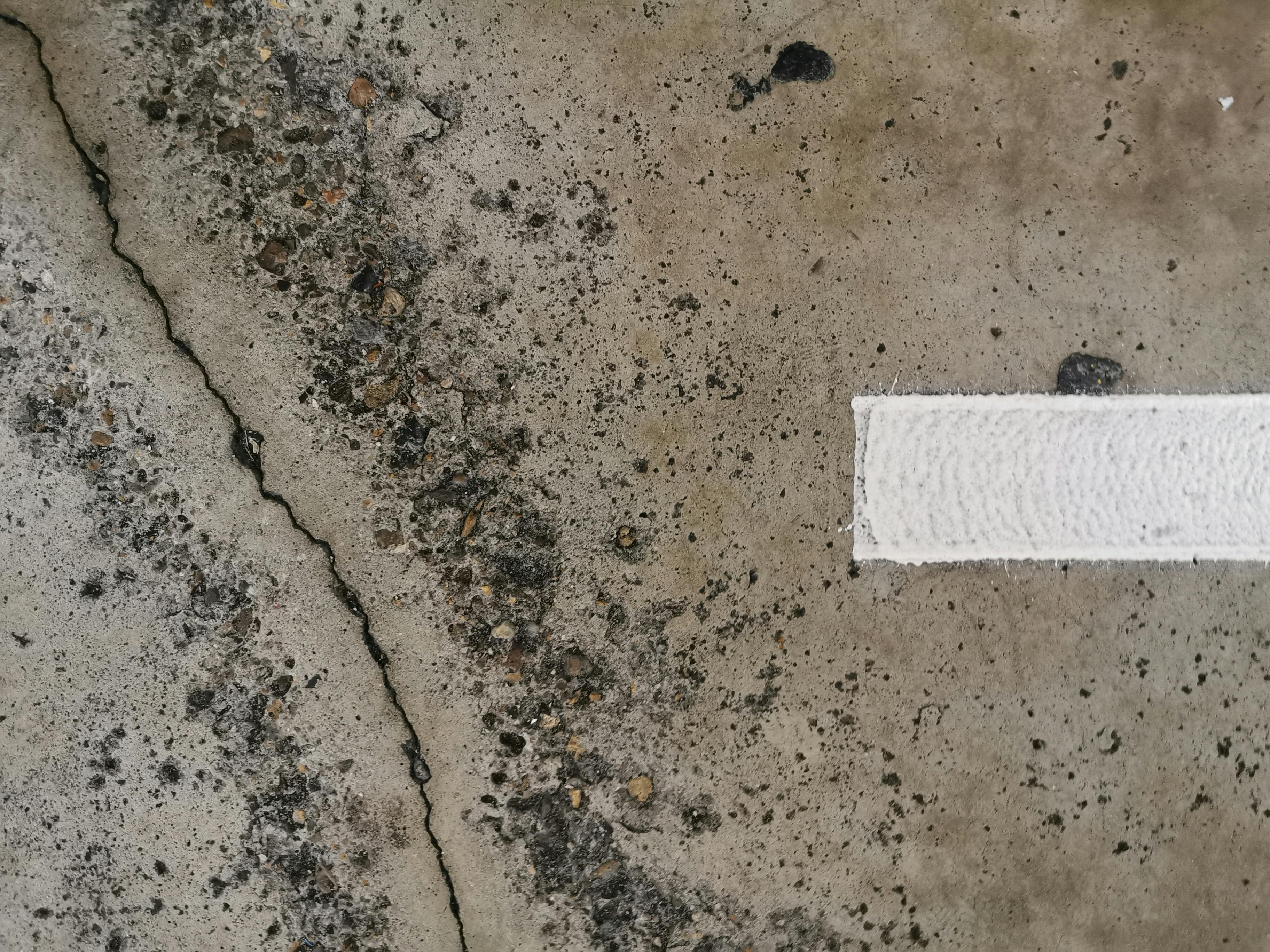
One caution on colour. Reflective finishes help, but dust and grime reduce their effect, so plan for occasional cleaning rather than assuming white stays white.
Details that fail first
Leaks rarely start in the middle of a clean slab. They start at the edges. Upstands, drain outlets, pipe penetrations, expansion joints and the junction with the door threshold take the most punishment.
Upstands should rise to a sensible height and be terminated properly under flashing or a chase. Drains need a proper clamping detail, not a smear of sealant. Joints need a material that moves with the slab. Skimp on these and the best membrane in the field will not save you.
Falls matter too. Ponding water holds heat and sits on seams, so a terrace should drain towards the outlets. If the slab was cast flat, correct it with a screed to falls before waterproofing starts, not after.
What to put in the specification
A good specification removes guesswork. Write down the substrate preparation, the primer, the membrane thickness and the number of coats or layers. State the protection layer, the details at upstands and drains, and the cure time before anyone walks or loads the surface.
Then test. A flood test of the finished membrane, held for a set period before the topping goes on, costs little and catches defects while they are cheap to fix. Skipping it saves a day and risks a ceiling stain in the unit below.
We apply these principles across the region, and local conditions differ. You can read how we work in roof waterproofing, or ask about a specific terrace and we will tell you honestly what it needs.