
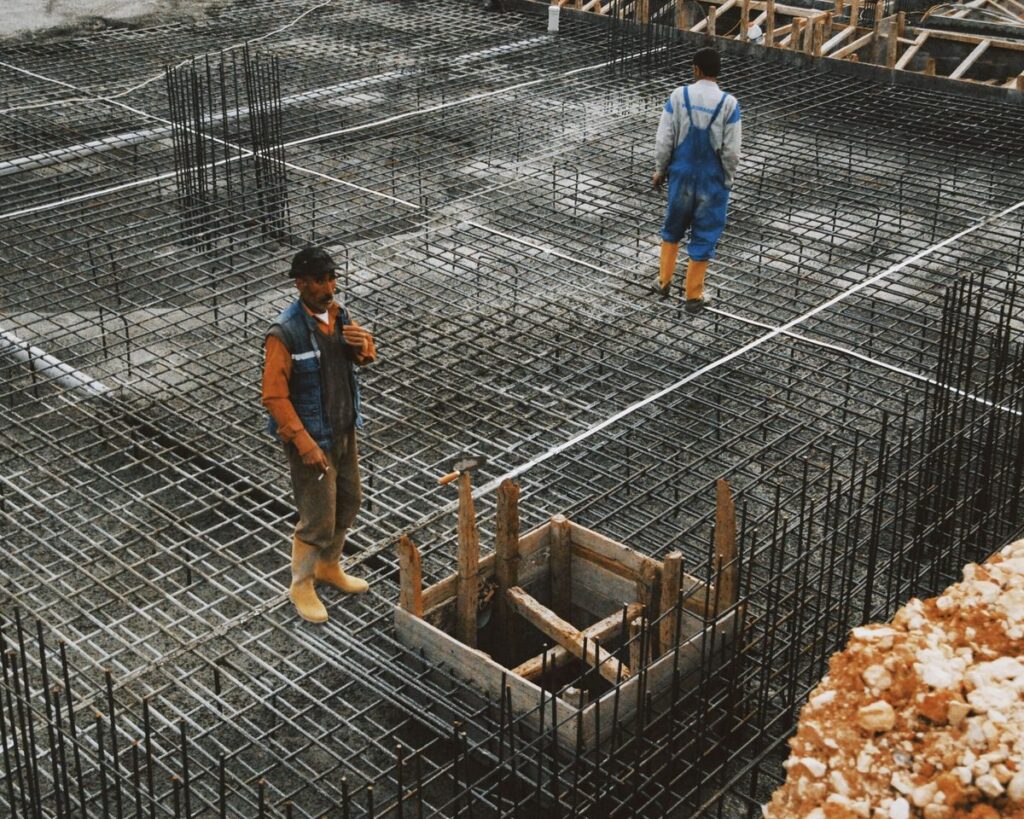
A patched crack that reopens in eight months was never repaired. It was hidden. Concrete repair and restoration in Qatar goes wrong most often for one reason: the crew treats the damage you can see and ignores the process that caused it. In this climate that process is usually corrosion working on the steel inside the slab, and no amount of surface mortar stops it. Proper restoration starts by asking why the concrete failed, then fixes that.
In this article
Why concrete deteriorates faster here
Qatar combines several conditions that are hard on reinforced concrete. Heat speeds up chemical reactions. Humidity and coastal salt air drive chloride toward the embedded steel. Groundwater in many areas carries sulphates and chlorides that attack concrete from below. Together these accelerate two failure modes: carbonation, where the concrete loses the alkalinity that protects steel, and chloride attack, where salts reach the reinforcement and start corrosion directly.
When steel corrodes it expands, and that expansion is the real damage. It cracks the surrounding concrete from the inside, which is what produces the spalling and rust staining you see on older structures near the coast. The visible crack is a symptom. The corroding bar behind it is the disease. Patch the symptom and the bar keeps swelling until the patch fails too.
Diagnosis before repair
This is the step rushed jobs skip. Before choosing a repair method, the structure needs an honest assessment: where is the steel corroding, how deep does the chloride go, how much section has been lost, and is the cause still active. That can involve cover surveys, breaking out test areas and sometimes chloride sampling. It is not glamorous and it is not free, but it decides whether the repair lasts a decade or a season.
Diagnosis also tells you the scale of the problem. A localised spall on one beam is a different job from chloride-driven corrosion spread across a whole structure. Knowing which one you have before mobilising prevents the common outcome where a contractor patches the obvious spots, declares victory, and is back the following year for the patches next door.
Doing the repair properly
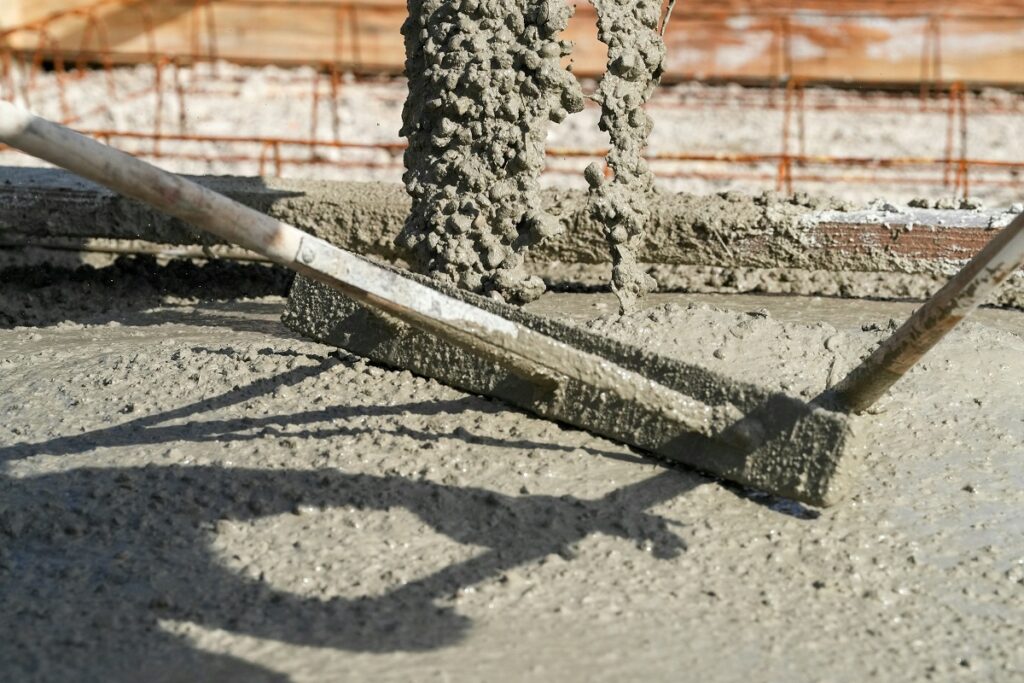
A durable concrete repair follows a sequence. Break out the damaged concrete back to sound material, and go far enough behind the steel to expose all the corrosion, not just the face you can see. Clean the reinforcement to bare metal. Where section loss is significant, add or replace bars. Treat the steel against further corrosion, then reinstate with a repair mortar matched to the parent concrete so the patch behaves like the structure around it rather than fighting it.
Material choice matters more than crews often admit. A repair mortar much stronger or stiffer than the surrounding concrete can crack at the bond line and pop off. International repair standards, including the EN 1504 series, exist to match products to the failure mechanism and the substrate. The point is compatibility, not just strength on a datasheet.
Surface patching buys months. Restoration buys years. The difference is whether anyone bothered to fix what was actually wrong.
Cracks, injection and keeping water out
Not every crack needs the full break-out treatment. Structural cracks that are dormant can be sealed and bonded with resin injection, restoring some integrity and closing the path that lets water and chloride in. Our crack injection work is matched to whether the crack is active or stable and whether it is wet. Done badly, injection is just filler that hides movement.
Whatever the repair, water management decides how long it holds. Concrete here that stays wet, whether from groundwater, poor drainage or a failed membrane, will keep corroding regardless of how clean the patch looked on day one. Restoration that does not address the water source is borrowing time. That is why concrete repair and waterproofing are best planned together rather than as separate trades pointing at each other later.
What good restoration leaves you with
A proper job ends with a structure where the cause has been removed, the steel is protected, the repair material is compatible, and water is kept away from the reinforcement. It should come with records of what was found and what was done, which matters for any structure that will be inspected again. If you are weighing a repair against a recurring patch cycle, our concrete repair and restoration service uses the assessment-first approach that costs less across the life of the building.
The blunt version: fix the cause once and the structure stops failing in the same place. Keep patching the surface and you are just paying for the same repair again next year.