Polyurethane waterproofing has quietly become the default choice for roofs, podiums and wet areas across Qatar and the wider Gulf. It moves with the building, shrugs off standing water and handles the heat that destroys lesser coatings. Here is why it earns its place, and where it is worth the spend.
In this article
What polyurethane waterproofing actually is
Polyurethane waterproofing is a liquid coating that cures into one continuous rubber-like membrane. There are no seams, no overlaps and no joints for water to sneak through. You apply it wet, it bonds to the substrate, and it sets into a flexible skin that stretches and recovers as the structure underneath expands and contracts.
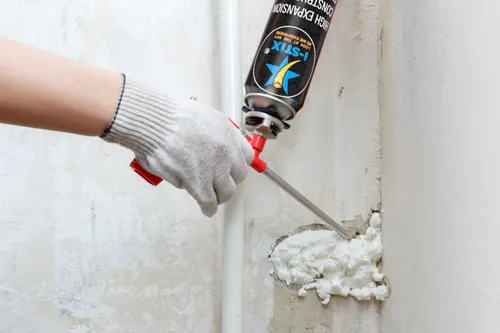
That single property, elasticity, is what separates it from rigid systems. A cement-based coating protects well until something cracks. Polyurethane bridges fine cracks and keeps doing its job. People often group it with PU foam, but they are not the same thing. The foam is for insulation and filling voids. The waterproofing grade is dense, elastic and built to sit in water without breaking down.
Why it suits Gulf buildings
Summer here is brutal on building materials. Rooftop surfaces in Doha can swing through a wide temperature range between a July afternoon and a winter night, and every degree of that swing makes the slab move. A coating that cannot move with it will split at the first stress point. Polyurethane handles that movement, which is the main reason it has spread across the region.
UV exposure is the second factor. Strong, year-round sun chalks and embrittles cheaper coatings within a few seasons. Quality polyurethane systems, especially aliphatic topcoats, hold their colour and flexibility far longer. Then there is the humidity along the coast. Salt-laden air attacks reinforcement once water finds a path in, so a membrane that genuinely seals, rather than one that mostly seals, protects the concrete and the steel inside it.
A waterproofing layer is not where you save money. It is the cheapest part of the building protecting the most expensive part.
Where it is worth the investment
Polyurethane is not always the answer, so spend where it pays off. Exposed flat roofs are the obvious case: they take the full sun, they pond water, and they move a lot. Podium decks and landscaped terraces are another, particularly where planting and paving sit on top and a leak means tearing all of it up to find the source.
Wet areas inside the building, bathrooms, plant rooms, kitchens, also suit it because the seamless finish copes with constant splashing and the odd thermal shock. Balconies and parking decks round out the list, since both flex underfoot and both see water daily. For these surfaces the longer service life and the lower chance of a callback usually beat the lower upfront price of a basic system. If you want to weigh your specific surfaces, our waterproofing services page breaks down what fits where.
Getting the application right
This is where most failures actually start. The product is rarely the problem. The preparation is. The substrate has to be sound, clean and dry, with laitance ground off and cracks treated before anything is coated. Skip that and even a premium membrane will peel.
Detailing matters just as much. Upstands, drains, pipe penetrations and corners are where leaks begin, so they need reinforcing tape or fillets and extra coats. Film thickness has to be built up to the manufacturer’s specification across the whole area, not just the easy middle. And the membrane needs proper cure time before it is flooded or covered. Rushing the schedule to hit a handover date is how a good system gets ruined. A crew that has done this on Gulf rooftops, and knows how the heat shortens working time, is worth more than the few riyals saved on a cheaper quote.
A simple way to decide
Ask three questions about the surface. Does it move? Does it sit in sun and water? Would a leak be expensive or disruptive to trace? If the answer to any of those is yes, polyurethane waterproofing is usually the sensible call. For a dry internal screed that never sees the weather, a simpler system may be enough.
The honest summary: polyurethane is not the cheapest option on day one, and it should not be sold as a cure-all. But on the surfaces that genuinely test a building in this climate, it is the one that keeps working long after the cheaper alternatives have failed. Get the preparation and the detailing right, choose the correct grade for the exposure, and it will earn back its cost in the leaks you never have.